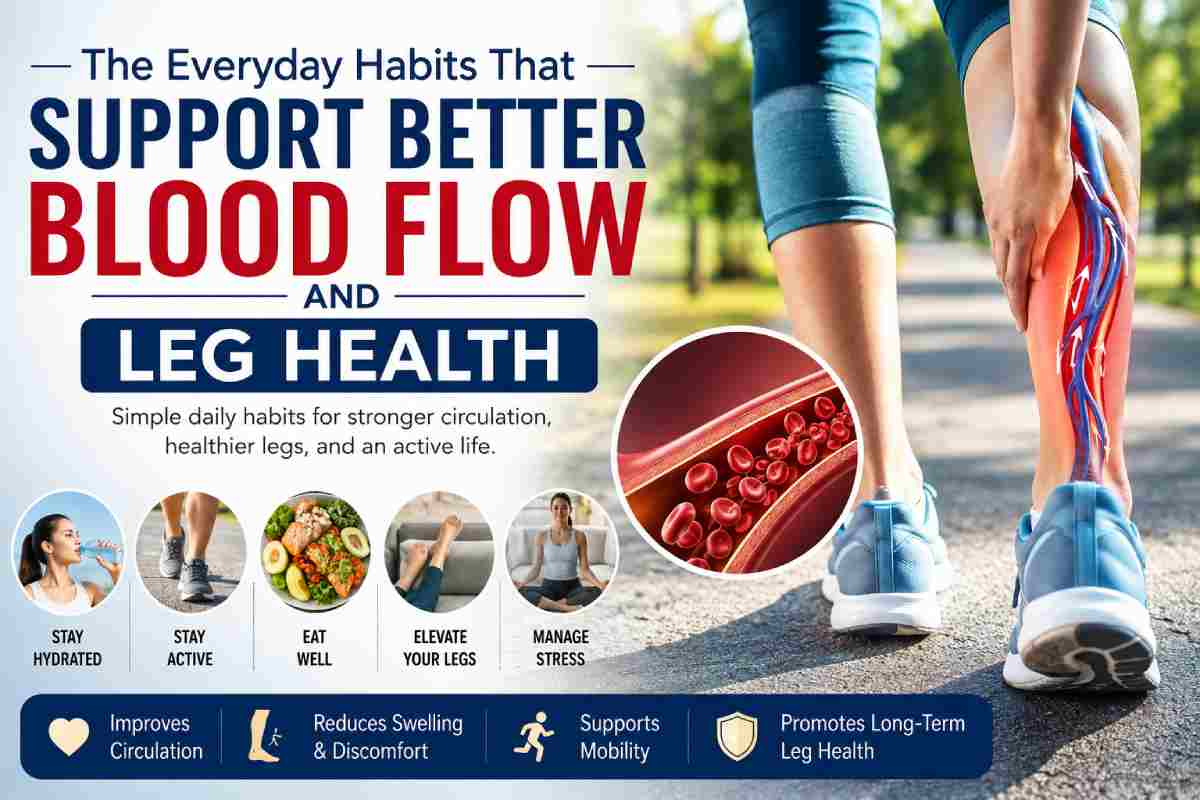
Good circulation is something most people rarely think about until discomfort appears. Whether it is aching legs after a long day, swollen ankles, visible veins, or a persistent feeling of heaviness, the symptoms often develop gradually and are easy to dismiss. Yet healthy blood flow is one of the body’s most important functions, supporting everything from energy production and muscle performance to wound healing and cardiovascular health.
The legs work especially hard because they must return blood upward to the heart against gravity. Every step we take activates muscles that help push blood through the veins, making movement an essential part of maintaining healthy circulation. Unfortunately, modern lifestyles often involve long hours of sitting at desks, driving, or standing in one place, all of which can place extra strain on the veins.
The good news is that many simple daily habits can support better blood flow and improve long-term leg health. While these practices cannot prevent every vascular condition, they can reduce risk factors, improve comfort, and encourage healthier circulation throughout life. For individuals whose symptoms persist despite healthy lifestyle changes, exploring options for insurance-covered vein treatment in Fort Worth can help determine whether an underlying vein condition requires medical evaluation and treatment.
The circulatory system delivers oxygen, nutrients, hormones, and immune cells throughout the body while removing carbon dioxide and other waste products. Every organ depends on efficient circulation to function properly.
In the legs, veins rely on small one-way valves that keep blood moving toward the heart. When these valves weaken or fail, blood can begin pooling in the lower legs. Over time, this increased pressure may contribute to varicose veins, swelling, discomfort, and chronic venous insufficiency.
Maintaining healthy blood flow supports more than just the cardiovascular system. It also contributes to physical endurance, muscle recovery, healthy skin, and overall wellness.
One of the simplest ways to improve circulation is to move regularly. Walking is particularly beneficial because it activates the calf muscles, often referred to as the body’s “second heart.” These muscles contract during movement, helping push blood upward through the veins.
Even short walks throughout the day provide meaningful benefits. Taking the stairs instead of the elevator, parking farther from entrances, or walking during lunch breaks can all encourage healthier circulation.
For individuals who spend much of the day seated, standing up every hour to stretch or walk for a few minutes helps reduce prolonged pressure on the veins and improves blood flow.
Many careers require prolonged sitting or standing, both of which can affect circulation.
Office workers may remain seated for hours without moving, while nurses, teachers, retail employees, and factory workers often spend most of the day on their feet. In both situations, blood can begin pooling in the lower legs if muscles remain inactive for extended periods.
Changing positions frequently, stretching the calves, flexing the ankles, or taking short walking breaks can reduce venous pressure and keep blood moving more efficiently.
Small changes repeated consistently often produce greater benefits than occasional intense exercise.
Hydration plays an important role in healthy circulation. Water helps maintain normal blood volume and allows blood to flow efficiently through the body’s vascular system.
Dehydration can make circulation less efficient and contribute to fatigue during physical activity. While individual fluid needs vary based on age, climate, and activity level, making water the primary beverage throughout the day supports overall cardiovascular health.
Combining adequate hydration with regular movement creates a strong foundation for healthy circulation.
Nutrition influences blood vessel function and overall cardiovascular health.
A balanced eating pattern rich in vegetables, fruits, whole grains, legumes, lean proteins, nuts, seeds, and healthy fats provides antioxidants, vitamins, minerals, and fiber that support healthy blood vessels.
Foods containing potassium help maintain healthy blood pressure, while those rich in vitamin C contribute to collagen production, an important structural component of blood vessel walls.
Limiting highly processed foods that contain excessive sodium and added sugars may also benefit overall vascular health.
Rather than following restrictive diets, focusing on long-term eating habits typically provides the greatest health benefits.
Carrying excess body weight places additional pressure on the veins, particularly those in the lower extremities.
Maintaining a healthy weight through balanced nutrition and regular physical activity helps reduce strain on the circulatory system. Weight management also supports heart health, blood pressure, blood sugar control, and joint health, creating multiple benefits beyond circulation alone.
Even modest improvements in body weight can positively influence overall vascular function.
After long periods of standing or sitting, elevating the legs above heart level for a short time can encourage blood to return more easily toward the heart.
Many people find that elevating their legs for 15 to 20 minutes after work helps reduce swelling and relieves feelings of heaviness.
Although leg elevation is not a substitute for medical treatment when vein disease is present, it remains a helpful lifestyle strategy for promoting healthy circulation.
Walking is excellent for circulation, but other forms of exercise provide additional benefits.
Swimming offers low-impact cardiovascular activity while the surrounding water naturally supports circulation. Cycling strengthens the leg muscles that assist venous return, while yoga improves flexibility, balance, and mobility. Resistance training also promotes muscle function that supports healthy blood flow.
The best exercise program is one that can be maintained consistently over time.
Many people assume tired legs or visible veins are simply part of getting older. However, persistent symptoms deserve attention.
Common signs that may indicate underlying vein problems include aching or heavy legs, swelling around the ankles, nighttime leg cramps, itching near visible veins, skin discoloration, and enlarged varicose veins.
Recognizing these symptoms early allows individuals to seek appropriate evaluation before conditions become more advanced.
Chronic venous disease develops when the valves inside the veins no longer function effectively. As blood begins collecting inside the veins, pressure increases and symptoms gradually worsen.
Although genetics, pregnancy, aging, and certain occupations increase the likelihood of developing vein disease, lifestyle factors also influence symptom progression.
The encouraging news is that today’s diagnostic techniques allow physicians to identify venous disorders accurately using noninvasive ultrasound imaging. This technology provides detailed information about blood flow and valve function, making personalized treatment planning possible.
Many people continue to believe that treating varicose veins requires major surgery. Fortunately, modern vein care has evolved significantly.
Minimally invasive procedures performed in outpatient settings now allow specialists to treat many venous conditions with less discomfort and shorter recovery times than traditional surgical approaches.
After a thorough vascular evaluation, patients can learn whether their symptoms are related to chronic venous disease and whether treatment may be medically appropriate. In many cases, medically necessary procedures are covered by insurance when established clinical criteria are met.
Early treatment not only improves comfort but may also reduce the likelihood of future complications associated with progressive vein disease.
Healthy circulation is rarely the result of one major lifestyle change. Instead, it develops through consistent daily habits practiced over months and years.
Choosing to walk more often, staying hydrated, eating nutritious foods, maintaining a healthy weight, avoiding tobacco, sleeping well, and taking regular movement breaks all contribute to stronger vascular health.
These seemingly small actions work together to support better blood flow while improving overall wellness.
Healthy blood flow is fundamental to every aspect of physical well-being. Efficient circulation delivers oxygen and nutrients where they are needed most, supports muscle function, protects the skin, and helps maintain healthy legs throughout life.
Fortunately, supporting circulation does not require complicated routines. Everyday habits such as walking regularly, staying active, eating a balanced diet, remaining hydrated, managing body weight, and recognizing early warning signs of vein disease can make a meaningful difference.
When symptoms such as swelling, heaviness, aching, or visible varicose veins persist despite healthy lifestyle habits, professional evaluation becomes an important part of preventive healthcare. Combining smart daily choices with timely medical care when needed helps people protect their vascular health, remain active, and enjoy greater comfort for years to come.



Sign up to receive exclusive content updates, fashion & beauty tips!

Copyright © 2026 All Rights Reserved By Health Glowera