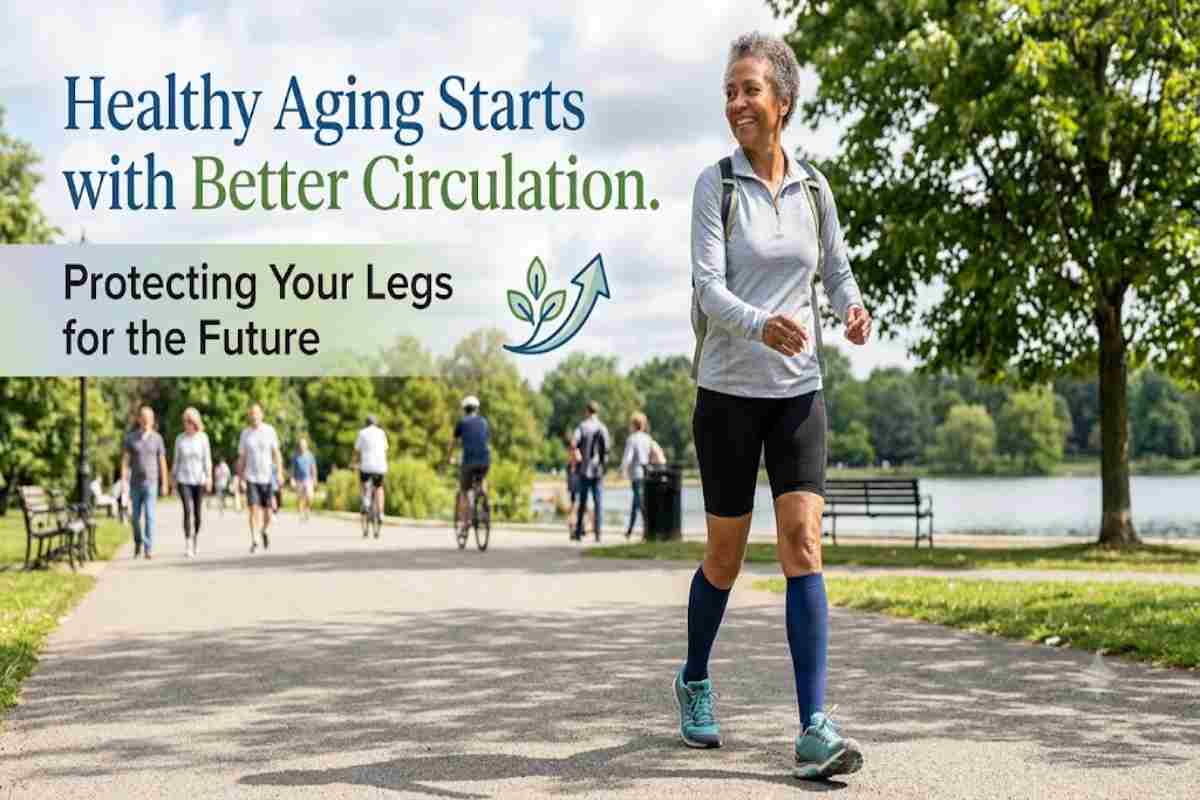
Healthy aging is often associated with eating well, staying active, maintaining a healthy weight, and getting enough sleep. Those habits matter, but there is another part of long-term wellness that does not always receive enough attention: circulation.
The health of your veins can have a direct effect on how your legs feel and function as you get older. Heavy legs at the end of the day, ankle swelling, aching, visible varicose veins, or persistent fatigue may seem like ordinary signs of aging. Sometimes they are temporary and harmless. In other situations, they can be connected to an underlying venous condition that deserves attention. For people experiencing persistent vein-related symptoms, learning about modern vein treatment options in Denver can also be a useful step toward understanding the evaluation and care options available.
Taking care of circulation does not mean worrying about every change in your legs. It means understanding how the venous system works, recognizing persistent symptoms, and making choices that support mobility for years to come.
The circulatory system works around the clock to deliver oxygen and nutrients throughout the body. Arteries carry blood away from the heart, while veins return blood toward it.
The veins in the legs face a particularly difficult task because they must move blood upward against gravity. One-way valves inside the veins help keep blood traveling in the right direction. Movement of the leg muscles also supports this process by helping push blood upward.
As people age, several factors can affect how efficiently the veins work. The walls and valves of veins can become less resilient, while years of standing, sitting, previous pregnancies, family history, and other factors may contribute to venous problems.
Age itself does not mean that painful or swollen legs are inevitable. Persistent symptoms should not simply be accepted as something that everyone experiences later in life.
One of the challenges with vein health is that early symptoms can be easy to dismiss.
A person might notice that their legs feel tired after a long day. Another might see a few more visible veins than before. Someone else may develop swelling around the ankles after spending several hours standing.
These symptoms can have many causes. Exercise, heat, prolonged inactivity, medications, injuries, joint problems, and other health conditions can all affect how the legs feel.
However, recurring heaviness, aching, swelling, cramping, itching, skin changes, or fatigue can sometimes be associated with chronic venous insufficiency or other vein disorders. When symptoms repeatedly interfere with walking, exercise, work, sleep, or everyday activities, a professional evaluation can help identify the cause.
The goal is not to assume that a serious condition is present. It is to avoid overlooking a problem simply because the symptom appears to be part of getting older.
Healthy circulation and regular movement are closely connected.
When the muscles in the legs contract during walking or other activity, they help encourage blood to move through the veins. This is sometimes described as the calf-muscle pump because the muscles of the lower leg assist venous return.
That makes everyday movement valuable, even when it does not feel like a formal workout.
A short walk after sitting for a long time can break up inactivity. Standing and moving around periodically during the workday can help prevent the legs from remaining still for hours. For older adults, activities that combine aerobic movement, strength, and balance can support overall physical function as well. The CDC recommends that adults age 65 and older include aerobic, muscle-strengthening, and balance activities each week, adjusted to their abilities and health conditions.
The important thing is consistency. A sustainable walking routine may be more useful for long-term mobility than an intense exercise program that is difficult to maintain.
Modern lifestyles can put the legs in an unusual situation. Some people spend most of the day sitting at a desk, while others spend their working hours standing.
Both situations can become challenging when there is very little movement.
When a person remains seated for hours, the leg muscles are not contracting regularly. Standing for prolonged periods can also increase pressure in the veins of the lower legs because blood must continually travel upward against gravity.
This does not mean that sitting or standing is automatically harmful. The bigger concern is remaining in one position for extended periods without movement.
Simple changes can make a routine more circulation-friendly. Walking during a break, changing positions, moving the ankles, and finding opportunities to stay active throughout the day can help keep the legs engaged.
Varicose veins are enlarged, twisted veins that can appear close to the surface of the skin. They are often noticed because of their appearance, but visible veins can sometimes be accompanied by physical symptoms.
Some people experience aching, heaviness, swelling, cramping, itching, or fatigue around the affected area. Others may have visible veins without significant discomfort.
The appearance of varicose veins does not provide a complete picture of vein health. Problems can also involve veins beneath the skin that are not immediately visible.
That is why persistent symptoms deserve consideration even when the visible changes seem minor. A professional evaluation can help determine whether there is an underlying issue with venous blood flow.
Swelling around the ankles or lower legs can have numerous causes. It may appear after a long day on your feet, during hot weather, or after prolonged sitting. Certain medications and medical conditions can also contribute to swelling.
When swelling happens repeatedly, especially alongside heaviness, aching, or visible vein changes, it may be worth discussing with a healthcare professional.
Long-term venous problems can also be associated with changes in the skin around the lower legs. Discoloration, itching, dryness, thickening, or wounds that are slow to heal should not be ignored.
These changes do not automatically indicate venous disease. They simply provide additional reasons to look beyond the surface and determine what is causing the problem.
One of the biggest benefits of healthy legs is something people often take for granted: independence.
Walking to the store, climbing stairs, traveling, playing with grandchildren, gardening, exercising, or simply moving around the house all depend on comfortable and functional legs.
When persistent vein symptoms make movement uncomfortable, people may gradually become less active. They may walk shorter distances, avoid certain activities, or spend more time sitting down.
This can create an unfortunate cycle. Less movement may reduce opportunities for the leg muscles to support circulation, while existing symptoms continue to affect confidence and mobility.
Addressing persistent symptoms can therefore be about much more than appearance. It can be part of protecting an active lifestyle.
If recurring leg symptoms are becoming part of everyday life, the first step is understanding the cause.
A vein evaluation may include a discussion of symptoms and medical history, a physical examination, and diagnostic ultrasound when appropriate. Ultrasound can help healthcare professionals examine blood flow and identify problems such as venous reflux.
A diagnosis can also help distinguish venous problems from other possible causes of leg discomfort.
The practice also describes several minimally invasive treatment approaches, including radiofrequency ablation, Varithena ablation, and sclerotherapy. These treatments are used for specific venous conditions, so the appropriate option depends on the individual’s diagnosis and clinical circumstances.
Vein treatment has changed considerably over the years. Traditional surgical approaches are not the only options available for people with certain forms of venous disease.
Some modern procedures are minimally invasive and use ultrasound guidance to target problematic veins. Radiofrequency ablation, for example, uses heat delivered through a catheter to close an unhealthy vein so blood can reroute through other functioning veins. Sclerotherapy uses an injected solution to treat selected smaller veins, while foam-based treatments such as Varithena may be used for certain larger varicose veins.
The availability of these approaches does not mean everyone with varicose veins needs treatment. A professional assessment should come first. Some people may benefit from lifestyle changes, observation, compression, or other conservative measures depending on their condition.
The most useful treatment plan is the one that matches the actual cause of the symptoms.
Looking after vein health is not about trying to prevent every possible problem. It is about creating habits that support mobility and paying attention when something changes.
Regular physical activity, maintaining a healthy weight, avoiding long periods of inactivity, and following appropriate medical advice can all contribute to healthier aging.
It is also useful to think beyond today’s symptoms. If the legs repeatedly feel heavy or swollen, waiting years before asking about the cause may mean spending a long time adapting daily life around an avoidable problem.
A timely evaluation can provide information and give people a clearer understanding of what is happening beneath the surface.
The body does not always send dramatic warnings. Sometimes it communicates through small changes that gradually become part of a person’s routine.
Maybe your legs feel heavier than they used to. Perhaps your ankles swell by evening, or you notice that standing through a normal workday has become increasingly uncomfortable. These changes may have a simple explanation, but they can also be worth investigating if they persist.
Healthy aging is partly about learning to notice these patterns.
Your legs carry you through almost every part of daily life. Paying attention to them is therefore not a minor concern. It is part of maintaining the freedom to keep moving.
Healthy aging starts with more than good nutrition and regular exercise. Circulation also plays an important role in maintaining comfortable, functional legs as the years go by.
Varicose veins, swelling, heaviness, aching, fatigue, and skin changes can have different causes, but persistent symptoms should not automatically be dismissed as normal aging. Understanding the relationship between circulation and mobility can help people recognize when professional guidance may be useful.
For those who do have an underlying venous condition, modern evaluation and minimally invasive treatment options may provide alternatives to older approaches, depending on the diagnosis.
Ultimately, protecting your legs is about protecting your future mobility. Staying active, breaking up long periods of sitting or standing, paying attention to recurring symptoms, and seeking appropriate medical evaluation can all contribute to a healthier approach to aging.
Your future self depends on the legs you take care of today.




Sign up to receive exclusive content updates, fashion & beauty tips!

Copyright © 2026 All Rights Reserved By Health Glowera