Most people do not think much about their veins until something changes. A few visible veins may seem like a cosmetic issue. Tired legs after a long day can be blamed on work. A little swelling around the ankles might be dismissed as something that will disappear overnight.
Sometimes, that is exactly what happens. But when these symptoms keep coming back, become more noticeable, or begin interfering with everyday activities, they may be worth a closer look.
The veins in your legs have an important job. They carry blood back toward the heart, working against gravity every time you stand or walk. When the valves inside certain veins do not function properly, blood can move backward and collect in the lower legs. This can contribute to a condition known as chronic venous insufficiency and may lead to a range of symptoms.
For people experiencing recurring vein-related symptoms in Southwest Florida, working with trusted vein specialists at Florida Vein Experts can provide an opportunity to have the problem evaluated and discuss appropriate options. The practice states that its care team uses ultrasound-based assessment and offers several minimally invasive approaches for appropriate venous conditions.
Healthy veins use a combination of one-way valves and surrounding muscle movement to help move blood from the legs toward the heart. These valves normally open to let blood move upward and close to prevent it from flowing backward.
If the valves become weakened or damaged, blood can flow in the wrong direction. Over time, pressure can build inside the affected veins. This is one mechanism involved in venous insufficiency.
The result may be more than visible varicose veins. Some people experience aching, heaviness, fatigue, swelling, itching, cramping, or changes in the skin around the lower legs. The symptoms may be more noticeable after standing or sitting for long periods.
Interestingly, visible veins are not always present. Vein problems can involve vessels deeper beneath the skin, meaning someone can experience circulation-related symptoms without seeing dramatic varicose veins.
One of the most common complaints associated with venous problems is a feeling of heaviness or fatigue in the legs.
It can be difficult to describe. A person may feel as though their legs become increasingly tired as the day progresses, even without doing strenuous exercise. Standing for several hours may make the sensation worse, while sitting down or elevating the legs may provide some relief.
This kind of fatigue can easily be confused with ordinary tiredness. Someone who works on their feet might assume that heavy legs are simply part of the job. Similarly, a person who spends hours at a desk may blame stiffness and discomfort on sitting.
Occasional tiredness is normal. Persistent or recurring heaviness, especially when accompanied by swelling, aching, or visible vein changes, deserves more attention.
Swelling is another sign that can sometimes be overlooked.
At the end of a long day, socks may leave deeper impressions around the ankles. Shoes may feel tighter than they did in the morning. The lower legs may look slightly puffy compared with earlier in the day.
There are many potential causes of swelling, including prolonged standing, certain medications, injuries, heart or kidney conditions, and other health issues. Venous circulation problems are another possibility.
When swelling repeatedly appears in the lower legs, particularly alongside heaviness or aching, a healthcare professional can help determine what is causing it.
Vein-related discomfort does not always feel like straightforward pain.
Some people describe an aching or throbbing sensation. Others experience cramping, itching, burning, or an uncomfortable feeling that makes them want to move their legs. Symptoms may become more noticeable after prolonged standing or toward the end of the day.
This can be frustrating because the discomfort may not seem serious enough to stop normal activities, yet it can gradually affect quality of life.
A person might shorten their evening walk, avoid standing for long periods, or spend more time sitting because their legs feel uncomfortable. These small changes can add up over time.
If recurring discomfort is changing how you live your day, it is worth discussing with a medical professional rather than simply accepting it as normal.
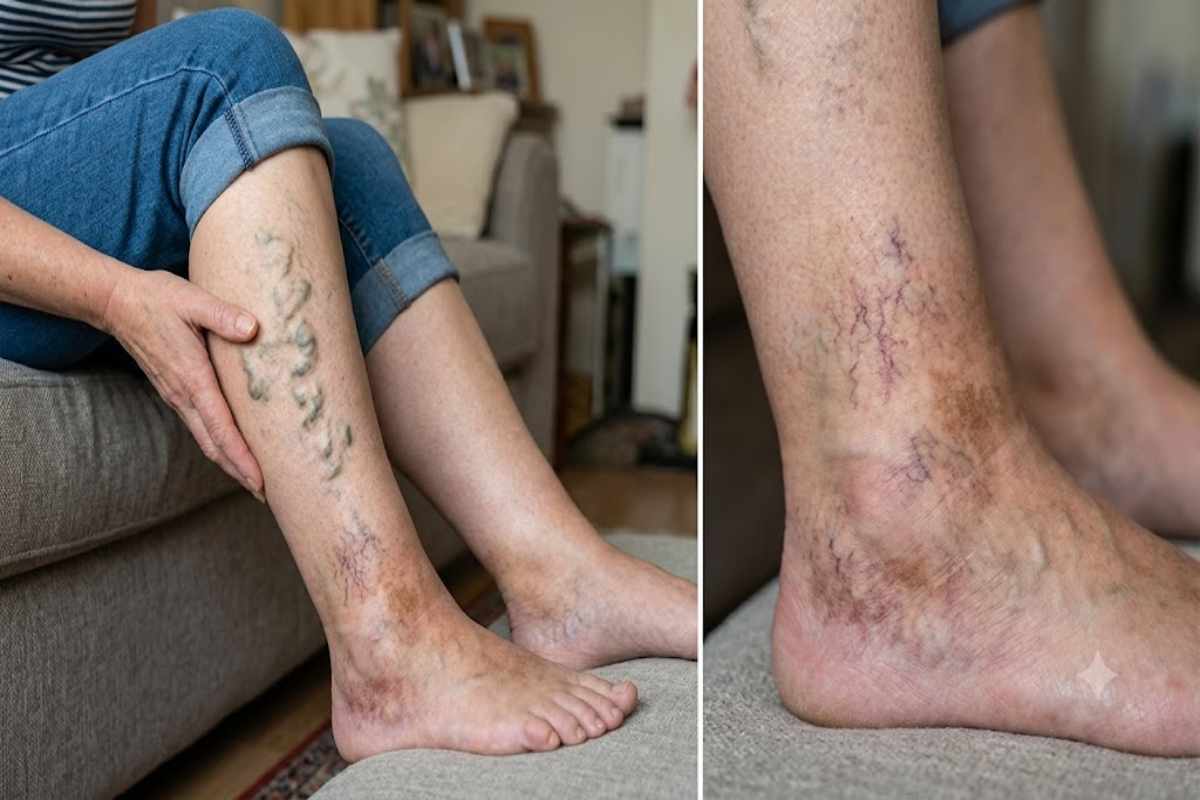
Varicose veins are among the most recognizable signs of vein problems. They often appear as enlarged, twisted veins beneath the surface of the skin and may look blue or purple.
Spider veins are smaller and usually appear as clusters of red, blue, or purple lines. They are often considered a cosmetic concern, although their presence can sometimes occur alongside underlying venous problems.
The appearance of a vein alone does not tell the whole story. Some people have visible veins without significant symptoms, while others can have venous problems involving deeper veins that are not obvious from the outside.
That is why a proper evaluation can be more informative than judging vein health based solely on appearance.
As venous problems persist, changes may sometimes occur in the skin around the lower legs and ankles.
The skin may become discolored, itchy, dry, or irritated. In more advanced cases, the skin can become thicker or develop areas that heal poorly.
These changes should not be ignored. Skin discoloration or sores around the lower leg can have different causes, and determining the reason is important for choosing appropriate care.
The key is to notice changes rather than waiting until they become severe.
Gravity is one reason the veins in the legs have such a demanding job.
When you stand, blood has to travel upward from the feet and lower legs toward the heart. The calf muscles help support this process by contracting as you move.
When someone remains in one position for a long time, that muscular assistance becomes less active. This can contribute to increased pressure in the veins, particularly in people who already have problems with venous valves.
This is one reason symptoms such as heaviness, swelling, and aching may become more noticeable at the end of a long workday.
People who work in healthcare, retail, hospitality, construction, education, and other standing occupations may be particularly familiar with this experience. Research summarized by the CDC has linked prolonged standing with symptoms associated with chronic venous insufficiency, including leg fatigue, swelling, and discomfort.
Not every visible vein requires medical treatment. Likewise, occasional leg fatigue after an unusually active day is not necessarily a warning sign.
The bigger concern is a pattern that keeps returning.
If your legs regularly feel heavy, swollen, painful, itchy, or unusually tired, especially if symptoms become worse throughout the day, it may be reasonable to seek an evaluation. The same applies if you notice increasing varicose veins, skin changes, or symptoms that are affecting your ability to work, exercise, sleep, or enjoy everyday activities.
A vein specialist can review your symptoms and medical history and determine whether additional testing is appropriate. Duplex ultrasound is commonly used to examine blood flow and look for problems such as venous reflux.
Florida Vein Experts describes a process that includes consultation, ultrasound assessment, and development of a treatment plan based on the patient’s individual findings and goals. Its website also identifies Dr. Joseph Iraci as board-certified in general surgery and describes his experience with minimally invasive venous procedures.
There is a temptation to treat every leg symptom in the same way. More exercise, compression garments, elevation, or simply resting may provide relief for some people, but those measures do not explain why the symptoms are occurring.
Leg swelling, pain, and fatigue can result from many different conditions. A proper diagnosis helps separate venous problems from muscle, joint, nerve, medication-related, or other medical causes.
That distinction matters because treatment should be based on the underlying problem rather than the symptom alone.
Most chronic vein symptoms develop gradually, but sudden changes are different.
Sudden swelling, pain, warmth, redness, or discoloration affecting one leg can be signs of deep vein thrombosis, or DVT. The CDC recommends seeking medical attention promptly when symptoms of DVT occur.
A blood clot can sometimes travel to the lungs and cause a pulmonary embolism. Difficulty breathing, chest pain, a rapid or irregular heartbeat, or other sudden symptoms can require emergency medical attention.
This is an important distinction: chronic heaviness or visible varicose veins are not the same thing as a sudden medical emergency. Knowing the difference can help people respond appropriately instead of either ignoring serious symptoms or becoming unnecessarily alarmed by ordinary ones.
Professional care is important when symptoms persist, but everyday habits also matter.
Regular movement encourages the muscles in the legs to remain active. Taking short walking breaks during a long workday can be useful for people who spend many hours sitting. Those who stand for work can benefit from changing positions and taking appropriate opportunities to move or rest.
Maintaining a healthy weight, staying physically active, and following individualized medical advice can also support overall cardiovascular and vascular health.
These habits should not be viewed as a guarantee against vein disease. Genetics, age, pregnancy, previous injuries, family history, and other factors can influence venous health. The important point is to combine healthy habits with awareness of persistent changes in the body.
Perhaps the biggest reason to pay attention to vein symptoms is not appearance. It is function.
When leg discomfort becomes part of everyday life, people often start making small adjustments without realizing it. They may stop taking long walks, avoid standing for extended periods, plan fewer outings, or spend more time resting.
Over time, these changes can affect activity levels and overall quality of life.
Getting a professional evaluation does not automatically mean that treatment will be necessary. It simply provides more information. Once the underlying cause is understood, a person and their healthcare professional can decide whether monitoring, lifestyle changes, conservative measures, or treatment is appropriate.
Your legs can provide useful clues about your overall health. Persistent heaviness, swelling, aching, cramping, itching, skin changes, and prominent varicose veins can sometimes be associated with venous disease, although these symptoms can also have other causes.
The important thing is not to diagnose yourself based on a single symptom. Instead, pay attention to patterns. If your legs repeatedly feel different, particularly if the symptoms are getting worse or interfering with daily activities, professional evaluation can help explain why.
Vein health is not simply a cosmetic concern. Healthy circulation contributes to comfortable movement and everyday function. By recognizing potential warning signs and seeking appropriate medical guidance when needed, you can make more informed decisions about your leg health and your long-term well-being.



Sign up to receive exclusive content updates, fashion & beauty tips!

Copyright © 2026 All Rights Reserved By Health Glowera