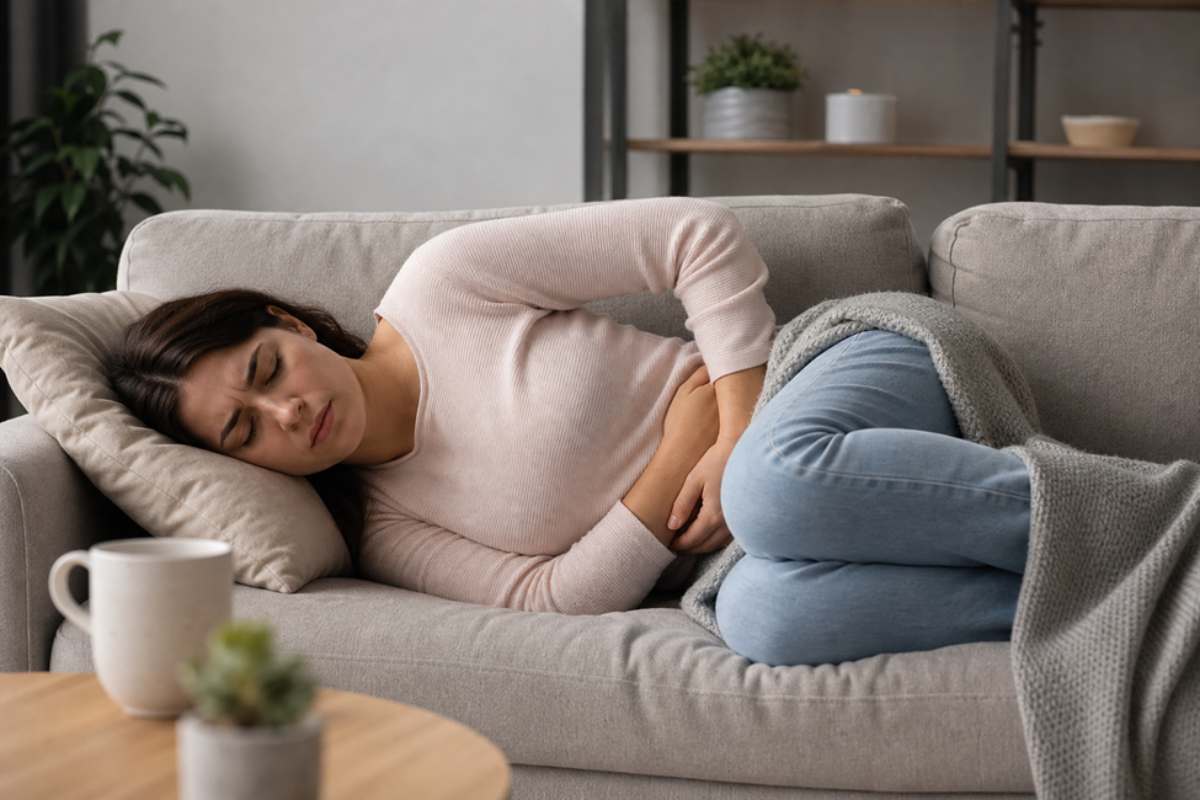
If you have ever been told that your period pain is normal, just push through it, or simply take a painkiller and get on with your day, you are far from alone. Yet for many people, that pain is severe enough to interrupt work, cancel plans, disrupt sleep, or make sex and daily movement feel impossible. That is not a low pain threshold; it is a signal worth taking seriously.
This article covers what is actually happening in your body when periods hurt, how to tell routine cramps apart from pain that points to an underlying condition, and which natural remedies for period pain have the most credible evidence behind them. The focus is practical: strategies you can realistically use on their own or alongside painkillers, with clear guidance on when self-management is not enough and medical assessment is the right next step.
Each month, the uterus contracts to shed its lining and push blood and tissue out through the cervix, using chemical messengers called prostaglandins to trigger those contractions and promote inflammation. The higher the prostaglandin activity, the stronger the contractions, and the more likely pain will spill beyond the pelvis into the lower back, cause nausea, or trigger diarrhoea.
Typical, or primary, dysmenorrhoea follows a recognisable pattern: cramping low abdominal pain that starts just before or with the first day of bleeding, eases off after two to three days, and responds reasonably well to basic measures like over-the-counter painkillers and heat. It is uncomfortable, but it does not regularly derail your life.
A very different picture emerges when pain is severe enough that you routinely miss work or school, begins several days before bleeding starts, persists for most of the month, or refuses to ease with standard doses of painkillers. That pattern warrants investigation. Several underlying conditions can drive this kind of pain. Endometriosis occurs when tissue similar to the uterine lining grows outside the uterus, causing painful periods alongside pain with sex or when opening the bowels or bladder. Fibroids are non-cancerous growths in the uterine wall that can cause heavy bleeding, pelvic pressure, and bloating. Adenomyosis, where the lining grows into the uterine muscle itself, tends to produce very heavy, intensely painful periods and an enlarged uterus. Pelvic inflammatory disease is an infection of the reproductive organs that brings new or worsening pain, fever, and unusual discharge, and ovarian cysts can also cause cyclical or sudden acute pain.
Needing to curl up, vomit, or double your painkiller dose every single cycle is not just how it is. It reflects biology that can often be treated, and it deserves proper assessment.
Non-drug approaches work best when started at the very first sign of pain, or even a day before if your cycle is predictable, and most can be layered together safely. Individual response varies considerably: some people find significant relief from one or two tools, others from combining several.
Heat therapy is one of the most well-supported options. Applying a heat pad or hot water bottle to the lower abdomen or back relaxes uterine muscle and increases local blood flow, and studies have found that continuous low-level heat can reduce pain to a similar degree as standard over-the-counter painkillers for some people. Use a warm, not scalding, pad, avoid falling asleep on a very hot surface, and take extra care if you have reduced skin sensation or are pregnant.
Gentle movement and stretching have a meaningful role too. Light walking, yoga, or pelvic and hip stretches increase circulation, lower stress hormones, and may dampen prostaglandin-related pain. Short, frequent bouts tend to work better than pushing through a long high-intensity session, which can worsen symptoms for some people.
TENS, or transcutaneous electrical nerve stimulation, uses small electrical pulses delivered via adhesive pads placed on the lower abdomen or back. These pulses can interrupt pain signals travelling to the brain and encourage the release of endorphins. Start at a low intensity, follow the device instructions carefully, and avoid using TENS over broken skin, during pregnancy, or if you have a pacemaker.
Nutrition with an anti-inflammatory focus can make a genuine difference, particularly in the week before and during a period. Prioritising whole foods, colourful vegetables, oily fish, nuts, seeds, and legumes provides the building blocks for less inflammatory prostaglandin production, while cutting back on ultra-processed foods, sugary drinks, and high alcohol intake during this window is worthwhile, as these can promote inflammation and blood sugar swings that amplify cramping.
Among supplements, magnesium and omega-3 fatty acids have the most consistent support. Studies suggest magnesium, often trialled at around 200 to 400 mg of elemental magnesium per day depending on the form, may reduce cramp severity by relaxing smooth muscle, and marine omega-3s appear to dampen inflammation through a similar mechanism to NSAIDs. Some forms of magnesium can cause loose stools; anyone with kidney disease or taking heart or blood-thinning medications should seek medical advice before starting.
Several herbal options have at least some evidence behind them. Ginger appears in multiple small trials showing reduced period pain, with typical study doses ranging from around 750 to 2,000 mg per day in divided doses taken over the first few days of a period, often around 250 to 500 mg three times daily. Fennel and cinnamon have weaker but emerging evidence, likely through anti-inflammatory and muscle-relaxing mechanisms. None of these should be viewed as cures, and quality and dosing vary considerably between products.
Mind-body strategies round out the toolkit. Slow diaphragmatic breathing, progressive muscle relaxation, guided imagery, and mindfulness do not eliminate pain, but they can meaningfully reduce the brain’s perception of it and ease the anxiety that often accompanies severe cramping. Structured audio guides or apps make these techniques accessible to use during peak pain without needing any prior experience. For those open to complementary therapies, understanding how acupuncture can help with period pain symptoms may also be worth exploring as part of a broader pain management approach.
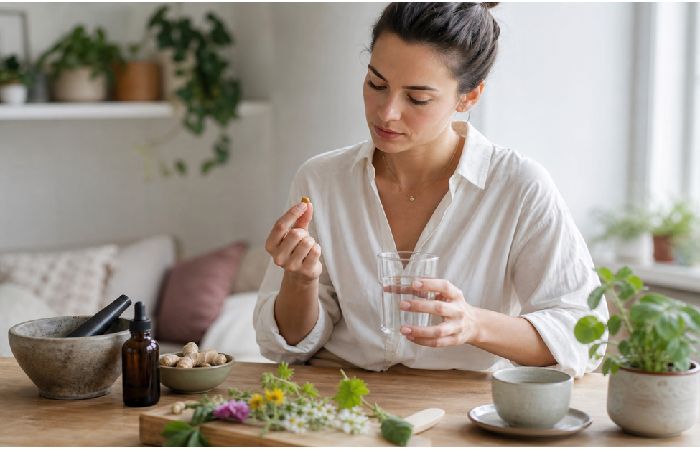
A simple monthly framework helps make these strategies feel manageable rather than overwhelming. Through the cycle, focus on the slower-build approaches: keeping up anti-inflammatory eating habits, taking magnesium daily for several weeks rather than just during bleeding, building in regular gentle movement, and practising a mind-body technique a few times a week. Then, in the two to three days before your period and through the first days of bleeding, layer in the targeted options: heat, TENS, ginger at the doses mentioned above, and relaxation practices during peak pain.
Many natural approaches combine well with common painkillers such as ibuprofen or naproxen. Heat, TENS, gentle exercise, and relaxation techniques are generally safe to use alongside these medicines, and together they may achieve better relief than any single approach alone. Always follow the recommended dose and timing on the packet or your clinician’s advice, do not exceed stated doses of NSAIDs or paracetamol even if pain remains high, and do not combine different NSAIDs without medical guidance, as this increases the risk of gastrointestinal harm.
Important cautions apply to some supplements and herbs. Ginger and omega-3 fats have mild blood-thinning properties, so they are best avoided in the days immediately before surgery or if you are taking anticoagulant medication such as warfarin. Some herbal blends, particularly those combining multiple botanicals, can affect the liver enzymes that process other medicines. Anyone on regular prescription medication, or with bleeding disorders, gastrointestinal conditions, kidney or liver disease, epilepsy, or who is pregnant or breastfeeding, should speak with a doctor or pharmacist before adding supplements or herbal remedies.
Tracking what you try is genuinely useful. Keeping a simple diary of symptoms, pain scores, bleeding heaviness, and which strategies you used over three cycles gives you real data to identify what helps, and something concrete to bring to a medical appointment if you need one.
Some patterns of pain need professional review rather than more self-management. Book an appointment if your pain is regularly severe enough that you miss work, study, or social commitments; if it does not improve with standard doses of over-the-counter painkillers combined with heat or rest; or if it has been worsening over several cycles.
Pain that extends beyond your period is particularly significant. Persistent pelvic aching throughout the month, mid-cycle pain around ovulation, or discomfort that ebbs and flows without following your bleeding are not routine menstrual symptoms. Similarly, pain during sex, especially with deep penetration, pain when opening your bowels or passing urine during a period, or any bleeding from the bowel or bladder during menstruation are concerning signs that are often associated with endometriosis or other pelvic disease.
Heavy bleeding warrants its own assessment. Soaking through a pad or tampon every one to two hours, passing large clots, or periods lasting more than seven days are all reasons to see your GP. So is any sudden, sharp, one-sided pelvic pain accompanied by faintness, vomiting, fever, or a rigid abdomen; these are urgent symptoms that need same-day or emergency care, as they can indicate an ectopic pregnancy, ovarian torsion, a ruptured cyst, or severe pelvic infection.
If you have been trying to conceive for six to twelve months without success alongside painful periods, that combination also justifies gynaecological investigation for conditions such as endometriosis or fibroids.
Before any appointment, write down your symptoms with timings, how pain affects your daily life, what you have already tried including natural remedies and medicines, and how well each worked. This record helps you advocate for yourself clearly and makes the consultation more productive, particularly if you have previously felt dismissed.
Severe period pain is not a character flaw, a sign of low resilience, or simply the lot of people who menstruate. It reflects real biology, often biology that can be improved with targeted strategies and, in some cases, properly treated underlying disease. That framing matters, because it shifts the question from ‘how do I cope?’ to ‘what is actually going on, and what can genuinely help?’
A practical starting point is to choose one or two body-based tools, such as heat and gentle movement, add one nutrition or supplement change and one mind-body practice, then run with that combination for three cycles. Trying to overhaul everything at once tends to make it harder to identify what is working. Set a clear threshold in advance: if pain remains high or significantly limits your life after two to three cycles of structured effort, or if any of the red-flag symptoms described above appear, book an appointment rather than persisting alone.
It is also worth remembering that ‘natural’ does not mean without risk. Use reputable sources for supplement information, check for interactions with any medicines you take, and keep these strategies in their proper place: as supportive tools that sit alongside, not instead of, proper diagnosis and, where appropriate, hormonal or other medical treatments.
When you do see a doctor, bring your symptom diary and state plainly how pain affects your work, sleep, and relationships. If you feel your concerns are minimised, it is entirely reasonable to ask directly about conditions like endometriosis, fibroids, or adenomyosis, and to seek a second opinion if needed. You are not being difficult; you are doing exactly what good self-advocacy looks like. Wanting to understand what is happening in your body, and using evidence-informed options to manage it, are entirely reasonable expectations of your own healthcare.
Hormonal health can affect people differently across life stages, and understanding hormone changes is an important part of broader health awareness. For another perspective, read our guide to testosterone levels in men, how they change with age, and what may support healthy levels.




Sign up to receive exclusive content updates, fashion & beauty tips!

Copyright © 2026 All Rights Reserved By Health Glowera