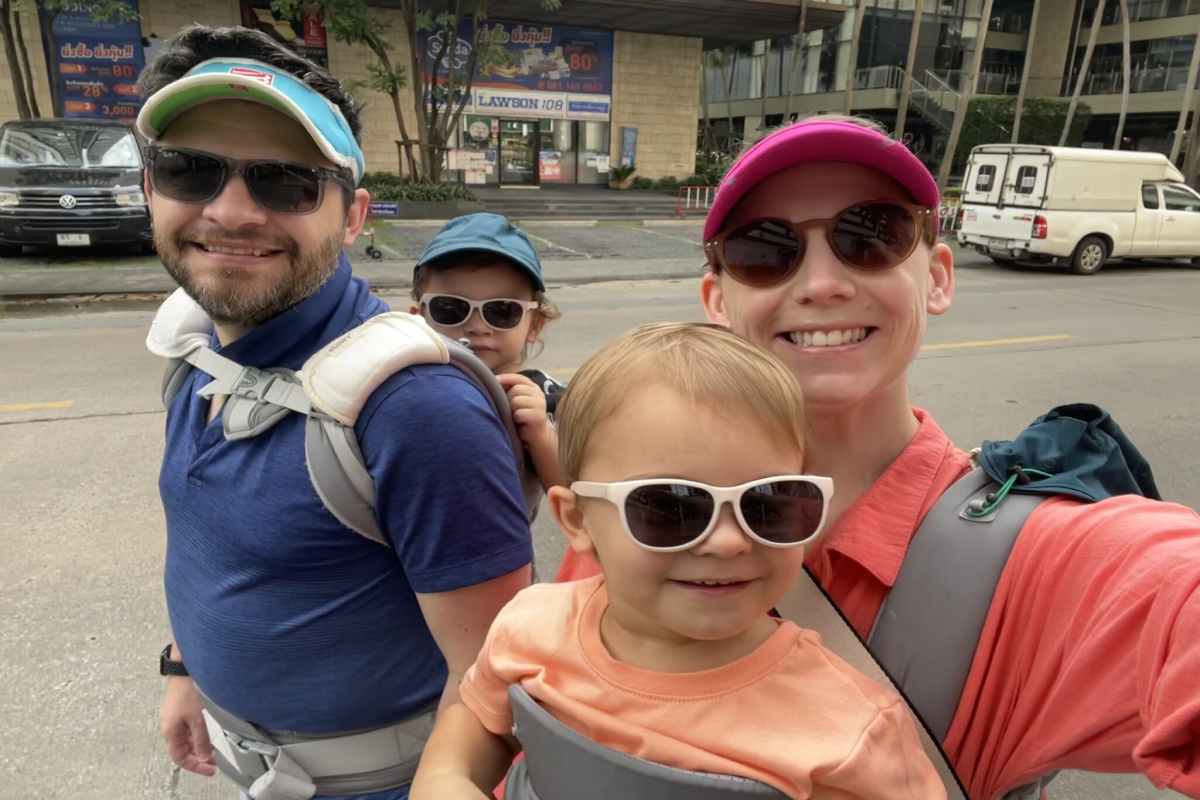
Relocating to Bangkok with children raises a lot of practical questions, and healthcare is usually near the top of the list. The city offers a wide range of medical care, from public hospitals to specialist international facilities, and understanding how the system works before you arrive makes the transition easier. This guide walks through the main decisions families need to make, from insurance and vaccinations to choosing a pediatrician and preparing for emergencies.
Bangkok’s healthcare system is more varied than a simple public-versus-private split. The city has public hospitals, university teaching hospitals, private hospitals, and specialist facilities, each serving different needs. Public and university hospitals provide solid care and are widely used by Thai families, though appointment systems and documentation are generally set up around Thai-speaking patients.
Most international families use private hospitals, largely because of practical conveniences such as easier English-language communication, scheduled appointments, international patient departments, pediatric specialists, and established relationships with international insurers. Samitivej International Children’s Hospital is one of the specialist pediatric providers serving families in Bangkok.
Private care costs more than the public system, so understanding your insurance coverage before you need it matters.
Setting up insurance ahead of relocation is one of the most important steps. Private hospitals in Bangkok may request payment at the time of treatment when direct billing has not been arranged. Many major international insurers have direct-billing agreements with private hospital groups in Thailand, but families should not assume that every hospital or treatment is covered. Confirm the arrangement with both the insurer and hospital before relying on it.
Before relying on this, confirm a few specifics with your insurer:
One detail worth flagging early: switching insurers after a child develops a health condition can be complicated, since a new insurer may treat that condition as pre-existing and exclude it. Choosing a plan you expect to keep for the long term can help avoid this.
Before the move, gather your children’s medical history, immunization records, and any ongoing treatment notes, ideally translated into or already documented in English. A pediatrician or travel-medicine specialist can review routine childhood vaccinations and advise on additions worth considering for a move to Thailand.
Beyond the standard childhood schedule, vaccines commonly discussed for relocating families include hepatitis A, hepatitis B, and typhoid. Depending on the child’s age, medical history, planned activities, and length of stay, a doctor may also raise Japanese encephalitis, which health authorities note may be appropriate for longer-term residents, and rabies pre-exposure vaccination, which is often discussed for children specifically, since they are more likely to approach animals and less likely to report a bite or scratch. None of these are automatic requirements for every child; a pediatrician can help match recommendations to your family’s situation.
International schools may also have their own immunization documentation requirements, and these vary by school, so it’s worth checking directly with the school your child will attend rather than assuming a single standard applies everywhere.
If your child takes regular medication, check in advance whether it’s available in Thailand and whether the specific active ingredient is classified as a controlled substance under Thai law. Medications should generally be carried in their original, labeled packaging along with a prescription or a doctor’s letter explaining the diagnosis and dosage.
That said, original packaging and a doctor’s letter may not be sufficient for certain controlled narcotic or psychotropic medications. Some of these require prior permission from the Thai Food and Drug Administration before they can be brought into the country. Rather than assuming a particular medication is fine (or automatically restricted), check the official Thai FDA guidance for that specific drug well before your departure date, and build in enough lead time in case permission is required.
Registering with a hospital shortly after arrival gives you a starting point for routine care and a known destination if something urgent comes up. Many private hospitals allow online pre-registration, and some maintain international patient departments or coordination services to help new arrivals navigate appointments, referrals, and insurance paperwork (though this varies by hospital, so it’s worth asking rather than assuming).
One option is Samitivej’s international children’s hospital in Bangkok, which provides dedicated pediatric care for children from newborns through adolescence, including access to specialist services. Whichever hospital you choose, look for a pediatrician you and your child are comfortable with, since this is the person who will manage everything from growth checks to vaccination schedules going forward.
A few numbers are worth saving in your phone before you need them:
It’s also worth saving your hospital’s direct emergency line, your insurer’s emergency assistance number, and your child’s regular doctor or clinic. Major private hospitals in Bangkok commonly provide 24-hour emergency services, while some also offer clinics for less urgent concerns, which can save time for things like minor fevers or small injuries.
Once you’ve chosen a pediatrician, routine care follows a familiar pattern: growth and developmental checks, scheduled vaccinations, dental exams, and vision screenings. Hospitals typically keep digital records, which makes it easier to track a child’s history over time and share information if you change providers.
For children with ongoing conditions such as asthma, allergies, or diabetes, private hospitals in Bangkok generally have the specialists and infrastructure to manage continuing care, but it’s worth confirming medication availability and specialist access as part of your initial appointment.
A few local factors are worth planning around, without treating them as reasons for alarm:
Air quality. Bangkok experiences periods of elevated air pollution, particularly in the dry season. Many international schools and families use Air Quality Index (AQI) readings to decide when to scale back outdoor activity, especially for children with asthma or other respiratory sensitivities.
Mosquito-borne illness. Dengue fever is present in Bangkok, especially during the rainy season. Mosquito-bite prevention, such as repellent, protective clothing, and window screens, remains important regardless of vaccination status. Whether a dengue vaccine is appropriate for a particular child depends on age, health history, and expected exposure, and is worth discussing directly with a pediatrician.
Heat and hydration. Bangkok’s climate is hot and humid year-round, so regular hydration and sensible scheduling of outdoor activity matter, particularly for younger children.
Food and water. Sticking to reputable food vendors, using bottled or filtered water, and teaching children basic food hygiene habits can reduce the usual travel-related stomach upsets.
Road safety. Traffic in Bangkok can be dense and fast-moving, and pedestrian infrastructure varies by neighborhood, so it’s worth being deliberate about how children get to and from school.
Bangkok traffic means that distances that look short on a map can take a long time in practice, which makes proximity to key services genuinely important. When evaluating neighborhoods, many families weigh how close they’ll be to their preferred hospital, their child’s school, pediatric clinics, pharmacies, and public transport.
Sukhumvit and Sathorn are commonly mentioned by expat families for their access to hospitals, international schools, and transport links, but they aren’t the only workable options, and the right neighborhood depends on your specific hospital and school choices.
Healthcare planning is one of the more practical, solvable parts of moving to Bangkok with children. Confirming insurance details, gathering medical records, checking a few vaccine and medication questions with a doctor, and registering with a hospital and pediatrician early on covers most of what a family needs before and shortly after the move. Most of these arrangements can be researched and confirmed before the family arrives.




Sign up to receive exclusive content updates, fashion & beauty tips!

Copyright © 2026 All Rights Reserved By Health Glowera