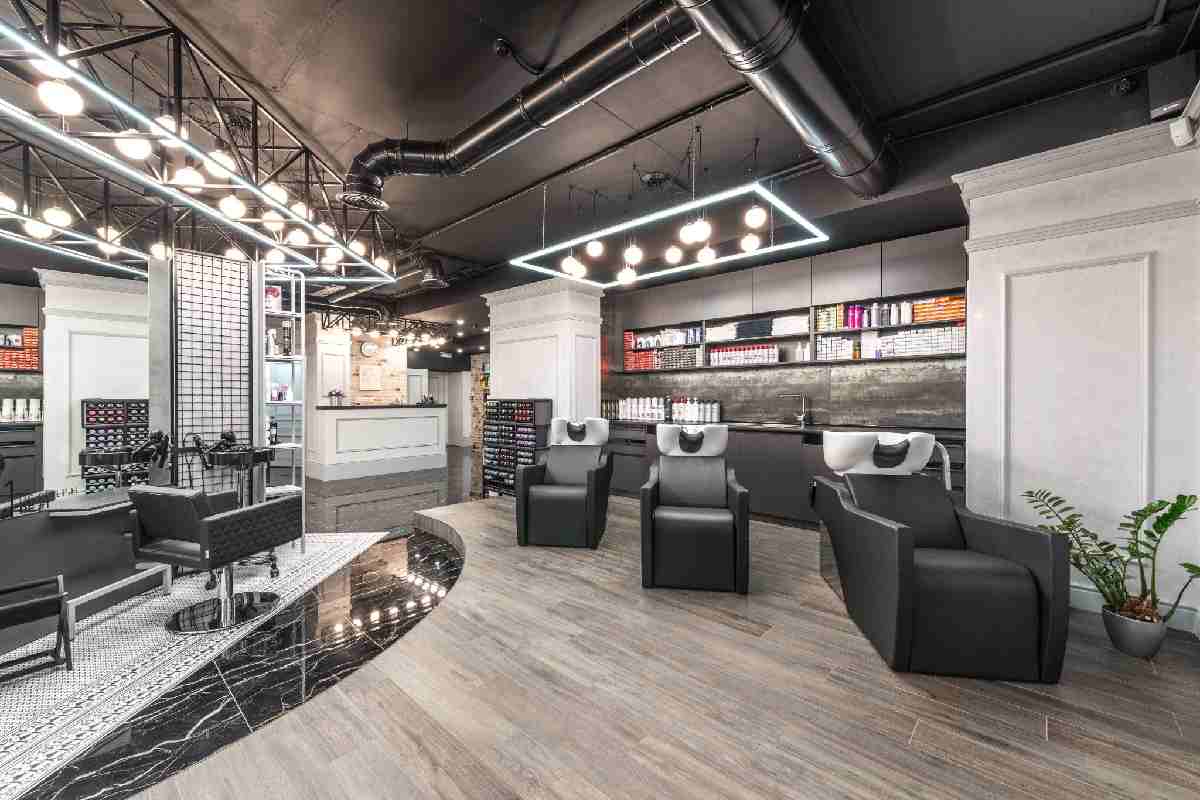
The way beauty businesses operate has changed significantly over the past several years, and the tools that professionals use to run them are changing alongside it. The combination of rising client expectations, tighter margins, and the growing complexity of managing a business that’s simultaneously a service operation, a retail environment, and a brand — often managed by a single person or a very small team — has pushed a lot of beauty professionals toward integrated software that handles more of the operational complexity in one place.
The older model of running a salon or spa on a combination of a paper appointment book, a cash drawer, and whatever system the product distributor recommended hasn’t disappeared entirely, but it’s becoming increasingly difficult to sustain as the operational demands of a growing beauty business multiply.
Most beauty professionals who haven’t moved to integrated software are managing their operations through a combination of tools that were each designed for a specific purpose without much consideration for how they’d interact with each other. Scheduling through one app. Payment processing through another. Client records in a notebook or a spreadsheet. Retail inventory tracked through yet another system, or not tracked at all in any systematic way.
The friction this creates isn’t always dramatic — it tends to accumulate in the background as small, persistent inefficiencies. Time spent manually reconciling information that should flow automatically between systems. Errors that occur at the handoffs between tools. Client information that lives in multiple places and gets out of sync. The cumulative effect on a busy beauty professional’s day is more significant than any individual inefficiency suggests.
When scheduling, payments, client history, retail inventory, and marketing tools operate within the same platform, the operational picture changes in specific, practical ways. A client’s purchase history and service record are visible at the point of booking, which allows for personalization that disconnected systems don’t support without significant manual effort. A retail sale processes through the same system that tracks inventory, which means stock levels update automatically rather than requiring a separate count. Revenue reporting draws from a single source rather than requiring manual aggregation across several tools.
Platforms like Inspire by STX, for instance, are built specifically around the integrated operational needs of salons and spas — handling appointments, point of sale, client management, and business reporting in a connected environment designed for the specific workflows of the beauty industry rather than adapted from generic business software. That industry-specific design matters in practice, because the way appointments, services, and retail interact in a salon setting differs enough from general retail or service business operations that tools built for those contexts require workarounds that an industry-specific platform handles natively.
Scheduling is where most salon operations live, and it’s where the benefits of integrated software tend to show up most immediately. Automated confirmation and reminder messages reduce no-shows in ways that manual follow-up can’t sustain consistently across a full book. Online booking that updates availability in real time without requiring the front desk to manually manage the calendar extends the booking window beyond business hours without adding operational complexity.
Double-bookings and scheduling errors that occur when multiple people are managing the same calendar through different interfaces disappear when the scheduling system is authoritative and integrated with everything else. The time saved on scheduling administration — handling confirmations, managing the waitlist, responding to appointment inquiries — adds up across a week in ways that become significant for a professional who’s also trying to spend that time with clients.
The client relationships that generate referrals and repeat business are built over time through the accumulation of small personalized touches — remembering what was discussed at the last visit, knowing which products a client has responded well to, having a record of their preferences that doesn’t depend on the same stylist or esthetician being present every time.
Integrated client profiles that travel with the client across every visit, capturing service history, product purchases, and preference notes, make that continuity possible at a scale that memory alone doesn’t sustain. For salons that have grown past the point where every client is known personally by every staff member, this kind of shared client record is what preserves the personalized experience that keeps clients returning.
One of the less immediate but more consequential benefits of integrated software is the business visibility it provides. Revenue by service category, retail sales performance, booking patterns across days and times, staff productivity — this information is generated automatically through normal operations and accessible without manual report construction.
For beauty professionals making decisions about pricing, staffing, marketing investment, and service menu development, having accurate data to inform those decisions produces better outcomes than operating on intuition alone. The professional who knows which services are most profitable, which retail lines are turning over well, and which time slots consistently underperform is making better-informed decisions than one working from a general sense of how things are going.




Sign up to receive exclusive content updates, fashion & beauty tips!

Copyright © 2026 All Rights Reserved By Health Glowera