Adults who experience leg heaviness, swelling, or visible enlarged veins may benefit from learning about the condition and exploring options for relief for varicose vein symptoms in Woodbridge. Varicose veins are common, particularly in the legs, and can affect people of different ages and lifestyles. For some, they are mainly a cosmetic concern. For others, they can cause discomfort that interferes with everyday activities.
Understanding why varicose veins develop, how to recognize their symptoms, and which treatments are available can help people make informed decisions about their health. Although not every case requires medical treatment, persistent symptoms should not be ignored.
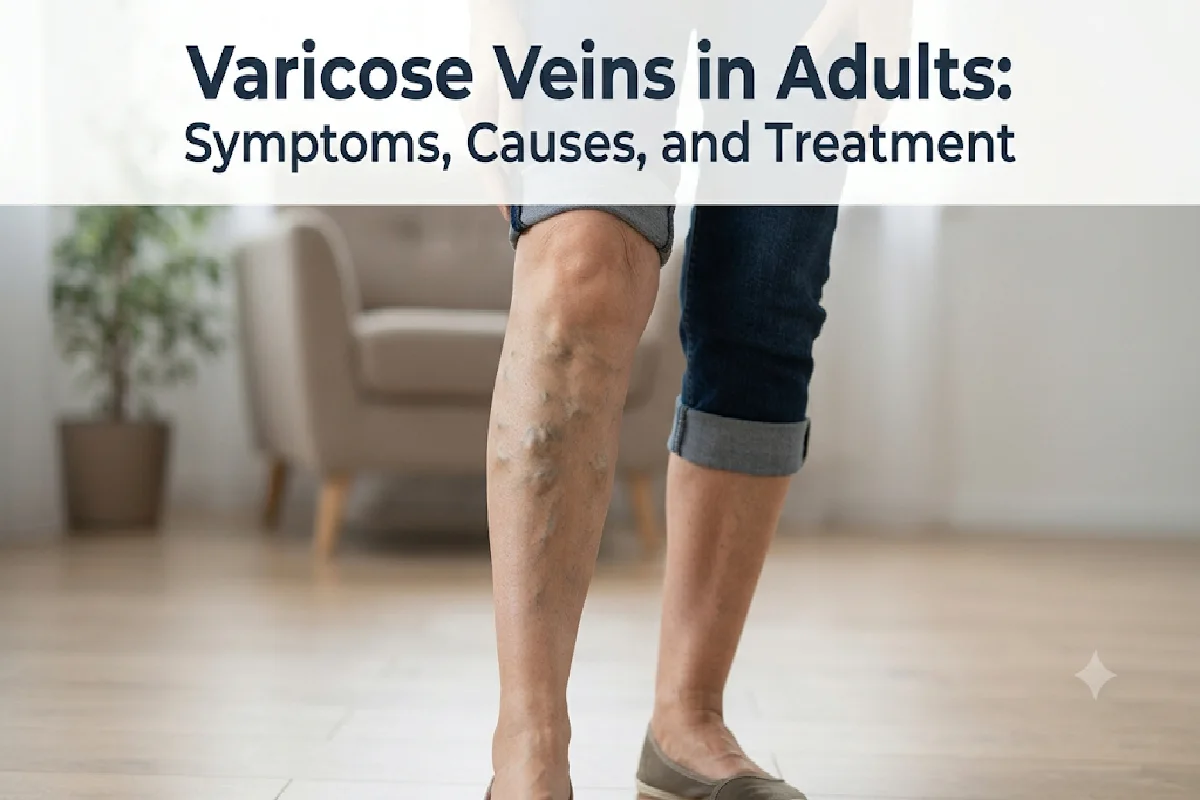
Varicose veins are enlarged, twisted veins that usually appear close to the surface of the skin. They most commonly develop in the legs because the veins in this area must work against gravity to return blood to the heart.
Healthy veins contain small one-way valves that help blood move in the correct direction. When these valves become weak or damaged, some blood can flow backward and collect inside the veins. This increases pressure within the affected vessels, causing them to stretch, enlarge, and become more visible.
Varicose veins can appear blue, purple, or similar to the surrounding skin, depending on a person’s skin tone. They may look like raised, twisted lines or bulging cords beneath the skin.
It is also important to distinguish varicose veins from spider veins. Spider veins are smaller blood vessels that appear close to the skin’s surface, often in web-like patterns. They are generally less prominent and may not cause the same symptoms as larger varicose veins.
Some adults have visible varicose veins without experiencing pain or other problems. However, others notice symptoms that become more uncomfortable throughout the day.
A common complaint is a heavy or aching feeling in the legs. This may become more noticeable after standing or sitting for long periods. Some people also experience throbbing, burning sensations, muscle cramps, or tenderness around the affected veins.
Swelling around the ankles and lower legs is another possible symptom. It may become more noticeable toward the evening or after a day spent on the feet. Itching and dry skin around the affected area can also occur.
In more advanced cases, changes in skin colour or texture may develop around the lower legs, particularly near the ankles. The skin can become irritated, discoloured, or harder than usual. Some people may develop sores that take a long time to heal.
Symptoms vary from person to person. Visible veins do not always indicate a serious problem, but persistent pain, swelling, skin changes, or wounds deserve medical evaluation.
The main cause of varicose veins is weakness or damage in the walls and valves of the veins. When the valves do not close properly, blood can move backward instead of flowing efficiently toward the heart.
Several factors can increase the likelihood of developing this condition.
Age is one factor. As people grow older, the natural wear and tear of daily life can affect vein walls and valves. This may make it harder for blood to move efficiently through the veins.
Family history also plays a role. Adults with close family members who have varicose veins may have a greater likelihood of developing them. Inherited differences in vein structure and valve function can contribute to the condition.
Pregnancy can increase pressure on the veins in the legs. Changes in hormone levels and increased blood volume may also contribute. Some pregnancy-related varicose veins improve after childbirth, although they do not always disappear completely.
Body weight and daily habits can influence vein health as well. Excess body weight may increase pressure on the veins, while prolonged sitting or standing can make it harder for blood to return from the legs. A lack of regular physical activity may also reduce the support provided by the calf muscles.
These factors do not mean that every person will develop varicose veins. They simply help explain why the condition is more common in certain individuals.
A proper diagnosis helps determine whether visible veins are associated with an underlying circulation problem. A healthcare professional will usually begin by asking about symptoms, medical history, family history, and daily activities.
A physical examination may involve looking at the legs while the patient is standing or sitting. The healthcare professional may check for enlarged veins, swelling, skin changes, and areas of tenderness.
In many cases, a duplex ultrasound is used to examine the veins more closely. This non-invasive imaging test uses sound waves to show blood flow through the vessels. It can help identify faulty valves, backward blood flow, and other issues that may not be visible during a physical examination.
The results help the specialist understand the location and extent of the problem. This information is important when deciding whether lifestyle changes, compression therapy, or a medical procedure may be appropriate.
Lifestyle adjustments can help some people manage discomfort associated with varicose veins. They may also support general circulation, although they cannot repair damaged vein valves or remove existing enlarged veins.
Regular physical activity is a useful starting point. Walking, swimming, and other suitable low-impact exercises activate the muscles in the lower legs. These muscles help move blood through the veins and back toward the heart.
People who spend long hours sitting or standing may benefit from changing positions regularly. Taking short walking breaks, stretching the legs, and avoiding long periods of inactivity can help reduce discomfort.
Elevating the legs while resting may also ease swelling for some individuals. Maintaining a healthy weight can reduce additional pressure on the veins, while comfortable clothing and footwear may make daily activities easier.
Compression stockings are another option that may help manage symptoms. They apply controlled pressure to the legs, supporting blood flow and reducing swelling. However, the correct type and pressure level depend on individual health needs. A healthcare professional should advise whether they are suitable, particularly for people with other circulation conditions.
When symptoms continue despite lifestyle adjustments, or when complications develop, a specialist may recommend medical treatment. The appropriate option depends on the size and location of the affected veins, ultrasound findings, symptoms, and overall health.
Endovenous laser treatment and radiofrequency ablation are minimally invasive procedures used to close problematic veins. Both approaches use heat delivered through a thin catheter inserted into the affected vein.
Ultrasound guidance helps the specialist position the catheter. The treated vein is then sealed, redirecting blood through other healthy veins. These procedures are commonly performed with local anaesthesia, and many patients can return home on the same day.
Some temporary bruising, tenderness, or discomfort may occur during recovery. The specialist explains the expected recovery process and any follow-up care before treatment.
Sclerotherapy involves injecting a medical solution into an affected vein. The solution irritates the inside of the vessel, causing it to close over time. Blood then flows through other veins.
The procedure can be performed using a liquid or foam solution, depending on the size and type of vein being treated. Ultrasound guidance may be used for certain veins to help ensure accurate treatment.
Sclerotherapy is often used for smaller varicose veins and selected larger veins. Multiple sessions may be necessary, depending on the number and size of the affected vessels.
Ambulatory phlebectomy is a procedure used to remove certain surface varicose veins through very small skin openings. A specialist uses small instruments to remove the targeted veins, usually with local anaesthesia.
It may be recommended for veins that are close to the surface and remain enlarged or uncomfortable. Recovery requirements vary, and the treating professional provides instructions about movement, wound care, and compression when appropriate.
Traditional vein surgery may be considered in selected cases when less invasive procedures are unsuitable or when the condition requires a different approach. Depending on the patient’s diagnosis, surgery may involve tying off or removing affected veins.
Advances in minimally invasive techniques mean that many patients can be treated without traditional surgery. However, no single method is appropriate for everyone. A specialist should explain the potential benefits, risks, and alternatives before a treatment decision is made.
Varicose veins are not always dangerous, but some cases can lead to complications. These may include inflammation around a vein, bleeding, skin changes, and venous ulcers that are slow to heal.
A healthcare professional should assess varicose veins that cause ongoing pain, swelling, itching, or changes in the skin. A sore on the leg that does not heal also deserves medical attention.
Sudden swelling or pain in one leg, particularly when accompanied by warmth or redness, may indicate a blood clot and requires prompt medical assessment. Sudden shortness of breath, chest pain, or fainting requires emergency medical care.
Early evaluation can help identify the underlying issue and determine whether monitoring, lifestyle changes, or treatment is appropriate. It also gives patients an opportunity to understand their condition before symptoms become more difficult to manage.
Managing varicose veins starts with understanding that every patient has different needs. One person may have visible veins without discomfort, while another may experience daily pain, swelling, or skin changes.
A suitable treatment plan should take these differences into account. It may include lifestyle recommendations, compression therapy, minimally invasive procedures, or other medical options based on the diagnosis.
Patients should feel comfortable asking questions about how a proposed procedure works, what results may be expected, how long recovery might take, and whether additional treatment could be needed. Understanding these details makes it easier to compare options and participate in healthcare decisions.
For adults in Woodbridge Township and nearby communities, a consultation with a vein specialist can provide an opportunity to discuss symptoms and learn about available care options. A professional assessment is the best way to determine which approach may be appropriate.
Varicose veins are a common condition that can affect both appearance and everyday comfort. They develop when vein valves become weak or damaged, allowing blood to collect and enlarge the affected vessels. Symptoms can range from visible veins to aching, heaviness, swelling, itching, and skin changes.
Lifestyle adjustments may help manage discomfort, while modern treatments such as laser ablation, radiofrequency ablation, sclerotherapy, and ambulatory phlebectomy offer options for people who need further care.
The most important step is understanding the condition and seeking professional advice when symptoms persist or complications appear. With an accurate diagnosis and an appropriate care plan, adults can make informed decisions about protecting their vein health and maintaining their quality of life.



Sign up to receive exclusive content updates, fashion & beauty tips!

Copyright © 2026 All Rights Reserved By Health Glowera