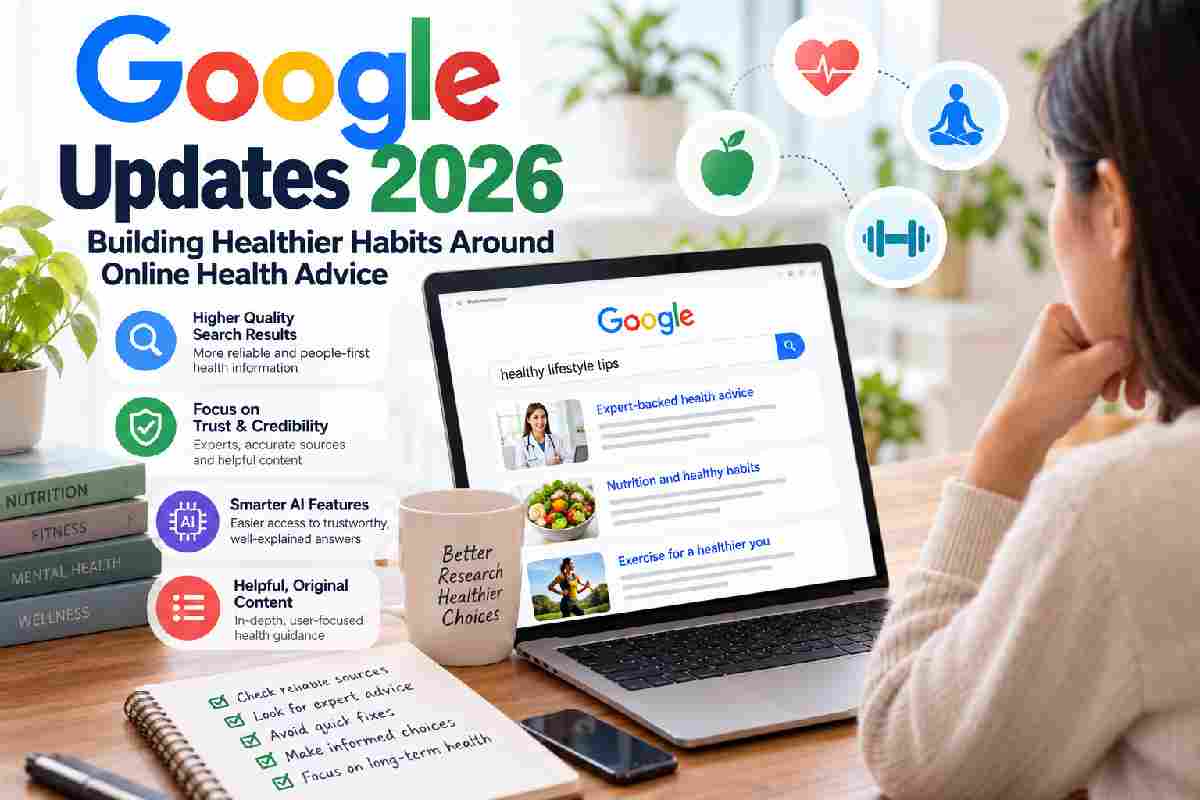
Search engines influence what health information people find, but a high position in search results is not proof that advice is accurate or safe. As readers and website owners pay attention to google updates 2026, it helps to focus on a more lasting goal than chasing rankings: making online health guidance easier to assess, understand, and use responsibly. That means readers should look beyond search placement, while publishers should build trust through clear sourcing, careful writing, and a sound technical foundation.
A page can be easy to find and still be misleading. Health claims may be overstated, important risks left out, or general information presented as a diagnosis. Search systems can help surface useful material, but they cannot replace a reader’s judgment or a clinician’s advice. This matters especially when a topic involves symptoms, medication, supplements, mental health, or decisions about treatment.
Before acting on advice, check who wrote it and whether their relevant qualifications are stated. Look for a publication or review date, links or references to reliable evidence, and a clear distinction between established findings and emerging research. Be cautious of pages that promise a cure, urge readers to stop prescribed treatment, or use alarming language to push a product. If advice conflicts with guidance from your healthcare professional, ask them about it rather than making a sudden change.
Wellness publishers have a duty to make readers’ choices easier, not to exploit their concerns. A useful health article explains its scope, avoids guarantees, and identifies when professional care is needed. It should also be written for the person who needs the information, with plain language, descriptive headings, and practical context. A disclaimer alone cannot make weak or unsupported content responsible; accuracy and balance need to be part of the article itself.
Search visibility also depends on how a site earns attention. Links from other websites can help readers discover relevant resources, but links created mainly to manipulate rankings can undermine trust. Paid placements, automated links, and networks that exist to pass ranking credit may put a site at risk and distract from the quality of its information. For a clear overview of those practices and safer alternatives, read this guide to Google’s link spam policy.
For health publishers, the practical lesson is to treat promotion as an extension of editorial standards. A guest article should offer genuine expertise or useful information to the audience of the host site. Digital PR should provide something worth discussing, such as original research or a well-explained resource, rather than manufactured authority. Any commercial relationship should be handled transparently, and links should use appropriate attributes where required. If a campaign would feel misleading to a reader who understood how it was arranged, it deserves another look.
Technical performance is part of the reader experience. A slow page, intrusive pop-up, or layout that shifts while someone is reading can make important information harder to access. This is particularly frustrating on a phone, where many people look up a health question while travelling, at work, or between appointments. Clear navigation, readable text, accessible contrast, and pages that load reliably help visitors stay focused on the content.
Speed improvements do not make medical advice more accurate, but they reduce avoidable friction. Publishers can review oversized images, unnecessary scripts, caching, and mobile performance, then check whether changes actually improve the experience. Osdire’s Wix speed optimization checklist offers a practical starting point for site owners reviewing page speed and related technical issues in 2026.
Online research can support a conversation with a healthcare professional, but it works best when it is focused. Instead of searching a long list of symptoms and trying to identify a condition, write down what you have noticed, when it began, and what makes it better or worse. Then seek information from reputable health organizations or qualified professionals. Compare important claims across trustworthy sources, and note any questions that remain.
Be particularly careful with advice that promises certainty from a short quiz or a single symptom. Many conditions share symptoms, and personal factors such as age, medical history, and medications can change what advice is appropriate. Search results are a starting point for learning, not a substitute for an examination or individualized care. Seek urgent help when symptoms are severe or rapidly worsening, rather than spending time trying to resolve them through more searches.
Search systems will continue to evolve, and no publisher can guarantee that a particular tactic will keep a page visible. Health websites are better served by habits that remain valuable through those changes: publish accurate material, review it when guidance changes, make authorship and expertise clear, and earn attention through genuine usefulness. Readers can adopt a similar habit by judging the substance of health advice instead of assuming that prominence equals reliability.
These choices support more than search performance. They help create an online environment where people can learn without being pressured by exaggerated claims or confused by poor presentation. Whether you are looking for guidance or publishing it, prioritize clarity, evidence, and appropriate professional care. Those are steadier foundations for wellbeing than any single update or ranking position.




Sign up to receive exclusive content updates, fashion & beauty tips!

Copyright © 2026 All Rights Reserved By Health Glowera