Your skin usually notices the change in seasons before you do. In late summer, the warmth and humidity make lightweight products work well. But as the air gets cooler and drier, that same approach might leave your face feeling tight. You might also notice your makeup not blending as smoothly as before. Adding a hydrating serum formulated with peptides for skin can be a simple way to support your routine as the seasons change.
Start by changing the part of your routine that no longer works. You could try a gentler cleanser, a richer nightly moisturizer or a tinted SPF for light coverage. Make one change at a time and see how your skin responds before adding something else.
Humidity helps your skin more than you might think. When the air is moist, your skin holds onto water. But when humidity drops, your skin loses water faster, making dryness more noticeable. Dermatologists call this transepidermal water loss, or TEWL. This can make your skin look dull, tight or flaky.
Cooler weather also changes your daily habits. Indoor heating dries out the air. Long, hot showers wash away your skin’s natural oils. Wind can pull moisture from your face and hands. On their own, these barely register, which is why the dryness sneaks up on you.
Look for signs it may be time to adjust your routine:
Source: Kittyfly/Shutterstock.com
Your cleanser is the first step that affects everything else, so it’s a good place to start. A foaming gel that worked in August might now feel too harsh. Cream or balm cleansers are often a better choice as temperatures begin to cool. Try using cooler water, as hot water is harsher and can undo your efforts. After cleansing, your skin should feel soft and comfortable, not tight.
What you apply after cleansing matters just as much as the cleanser itself. Humectants such as glycerin and hyaluronic acid draw water toward the skin’s surface. Emollients and richer creams then help keep that moisture from escaping. Research published in the Journal of the American Academy of Dermatology highlights hyaluronic acid’s ability to hold water. This can be particularly useful in cooler, drier weather.
For better results, apply moisturizer before your skin dries completely. Save your richest cream for nighttime, when it has more time to settle in. Don’t forget your lips either, since they have little natural protection against the cold air and wind. A nourishing lip balm on your nightstand makes it easy to remember.
Many serums include peptides, which are short chains of amino acids. Topical peptides help improve firmness and texture. Choose a formula with peptides for skin and a weightless finish. This kind of texture layers well under moisturizer.
Antioxidants have a different but helpful role. They help defend your skin against environmental stressors during the day. Vitamin C is one of the most well-studied antioxidants used in skincare, and Harvard Health points to serums as a well-supported choice. Apply one each morning, right before sun care.
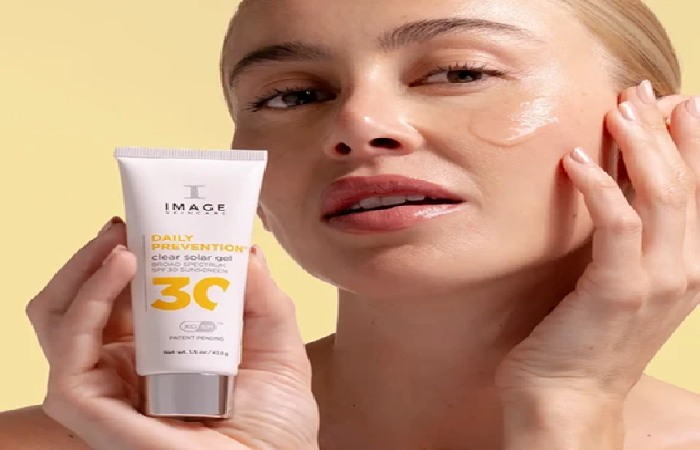
Sun exposure doesn’t stop when the weather turns. UV rays still reach your skin on cloudy autumn days. Even indoors, you pick up some UV through windows and on short trips outside. If you keep one habit all season, make it daily sun care.
Above: DAILY PREVENTION pure mineral tinted moisturizer SPF 30
When choosing a mineral sunscreen, zinc oxide and titanium dioxide are the two primary ingredients to look for. Zinc oxide and titanium dioxide both sit on the surface rather than sinking in. A tinted SPF is a good option as well. It adds a bit of color and a layer of moisture at the same time.
Protection is one half of it. The other half is the uneven tone that summer left behind. A skin brightening serum with vitamin C or niacinamide can help improve the appearance of dull areas. Brightening ingredients work gradually, so give a formula at least 8 to 12 weeks before evaluating your results.
Exfoliation keeps the surface looking fresh, but cooler air changes how much of it you can handle. What felt fine in July can leave you tight and flaky by October. If you were going four times a week, drop to two and watch what happens over the next month. Many people find that reducing exfoliation still delivers the results they’re looking for while minimizing irritation.
Follow every exfoliation with moisturizer while your skin is still damp. Applying moisturizer right after exfoliating helps lock in moisture. That makes this the moment your cream does the most good. Give yourself a day off in between, especially once the air turns dry. Layering an exfoliant with a strong serum on the same night is asking for discomfort.
Your skincare regimen is just one part of caring for your skin as the weather changes. Everyday habits also affect how dry or refreshed your skin looks. A few simple changes can help your products work better all season and support softer, brighter-looking skin over time.
Try adding these habits to your day:

A change of season is a good time to review what your skin needs. Gentle cleansing, steady hydration and daily sun care can form the foundation. Add peptides or antioxidants where they make sense. Give each change a few weeks before deciding whether it works. Your skin may need time to adjust to the new season and routine.
Small, thoughtful adjustments often have a bigger impact than completely overhauling your routine, helping your skin stay comfortable, hydrated, and radiant through every seasonal transition.




Sign up to receive exclusive content updates, fashion & beauty tips!

Copyright © 2026 All Rights Reserved By Health Glowera