Specsmakers Nizamp is best judged not by branding alone, but by how well it matches your eyewear needs—frame choice, lens quality, eye testing convenience, budget, and after-sales support all matter more than store popularity.
If you searched “Specsmakers Nizamp”, you probably don’t just want an address—you want to know whether it is actually worth visiting. That is where most local store pages fail. They tell you where the store is, but not whether it is the right place to buy glasses.
The short answer: Specsmakers Nizamp can be a practical choice if you want branded eyewear shopping with eye-test convenience, but the real value depends on the lenses you choose, the fit you get, and the total bill after upgrades. If you walk in only looking at frame style or “offers,” you may end up paying for features you do not need—or missing the ones that matter most.
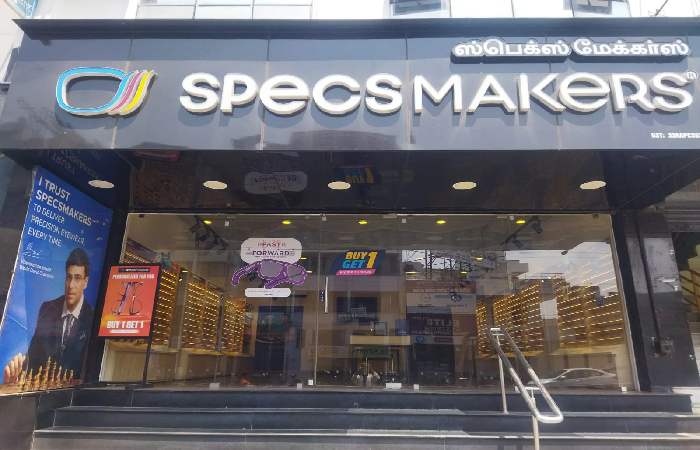
Specsmakers Nizamp appears to be a local branch search intent query, which means users usually want one or more of the following:
That matters because not every optical buyer is looking for the same thing.
For example:
So the better question is not just “Is Specsmakers Nizamp good?”
It is: “Is Specsmakers Nizamp good for my specific eyewear needs?”
One reason people visit chain optical stores is convenience. You can often:
That is much easier than trying to coordinate a prescription from one place and glasses from another.
For many buyers, frames are not just medical—they are part of appearance and comfort.
A decent optical store should help with:
This is one area where in-store buying often beats online shopping.
This is where many buyers get misled.
A frame deal may look attractive, but your final bill usually depends more on the lenses than the frame itself. Once you add:
…the “offer” can change quickly.
Real buyer advice:
Never judge an eyewear purchase by the frame price alone.
Most people visiting a store like this are typically looking for one of the following.
This is the most common purchase. These may include:
Some users visit to buy:
If you spend a lot of time outdoors, prescription sunglasses can be more useful than many people realize.
These are popular with:
That said, buyers should ask whether they need:
Those are not always the same thing.
Some optical stores also support contact lens purchases or related guidance, depending on stock and branch setup.
Parents often need frames that are:
That is worth checking in-store rather than buying blindly online.
| Product Type | Best For | Main Benefit | Watch Out For |
|---|---|---|---|
| Prescription Glasses | Daily wear users | Vision correction + daily comfort | Wrong lens upgrade choices |
| Sunglasses | Outdoor users | UV protection + style | Fashion-only choices with weak utility |
| Computer Glasses | Screen-heavy users | Reduced glare and screen comfort | Buying “blue light” without real need |
| Contact Lenses | Occasional or style-focused users | Lightweight and no frame wear | Hygiene and prescription mismatch |
| Kids’ Eyewear | Children | Better durability and fit | Weak hinges and poor fit |
One major reason people visit a physical optical store is convenience: they want to check their eyes and buy glasses in one go.
That is fine—but there is one important distinction.
A store eye test is often useful for:
But a quick optical store check is not always the same as a full eye health exam.
A full exam is more important if you have:
That distinction matters. Convenience is helpful, but it should not replace proper eye care when symptoms suggest something more serious.
You should be more cautious if:
Before placing an order, ask:
Those questions alone can save you from a poor purchase.
This is the section most buyers need, and almost no local store pages explain it properly.
Frames get the visual attention. Lenses determine:
A stylish frame with poor lens selection can still feel like a bad purchase.
Here is the practical difference:
If you are new to multifocal correction, progressive lenses may feel premium—but they also require better fitting and adaptation.
Some upgrades are genuinely useful, depending on your routine:
Not every upgrade is worth paying for.
You may not need expensive add-ons if:
Rule of thumb:
Buy lens upgrades based on how you live, not on how the upsell is presented.
| Lens Option | Best For | Pros | Cons |
|---|---|---|---|
| Basic Single Vision | General users | Affordable, simple | Fewer comfort enhancements |
| Anti-Glare Lens | Office and night users | Better reflection control | Costs more than basic |
| Blue Cut Lens | Heavy screen users | Popular for work/study use | Often oversold |
| Photochromic Lens | Indoor-outdoor users | One pair for multiple settings | Can cost more |
| Progressive Lens | 40+ users / multifocal needs | One pair for multiple distances | Adaptation takes time |
The biggest pricing mistake buyers make is assuming optical pricing is simple. It is not.
The total cost usually depends on:
Usually best for:
Expect more basic:
This is often the sweet spot for most people.
You usually get better balance in:
Premium purchases usually involve:
Usually these:
That means two glasses that look similar on the shelf can end up with very different final prices.
| Budget Level | Usually Best For | What’s Commonly Included | Buyer Caution |
|---|---|---|---|
| Budget | Students, backup pair | Basic frame + standard lens | Limited comfort upgrades |
| Mid-Range | Everyday users | Better frames + useful coatings | Compare bundled offers carefully |
| Premium | Long wear / high comfort users | Better finish, thinner lenses, upgrades | Easy to overspend if not needed |
The honest answer is: it can be—but not automatically.
A store is worth it only if it gives you the right combination of:
Specsmakers Nizamp may be a good fit if you want:
It may be less ideal if you want:
Sometimes a smaller local optical shop may outperform chains in:
That does not make one “better” universally. It depends on what you value more.
This is the section that saves people money.
That is the difference between buying glasses and buying the right glasses.
Online may work if:
In-store is usually smarter if:
For most first-time buyers, in-store wins.
Not because it is always cheaper—it usually is not—but because it reduces the risk of getting:
That alone can justify the visit.
If you are searching for Specsmakers Nizamp, the smartest way to evaluate it is not by branding or discounts alone.
Judge it by five things:
If the store gives you clarity on those five, it is likely worth visiting. If it only pushes frame style or flashy offers without helping you make the right lens decision, that is a red flag.
Bottom line:
Specsmakers Nizamp can be a solid eyewear buying option if you go in prepared and ask the right questions. Most people do not overpay on frames—they overpay on confusion.
Specsmakers Nizamp is typically searched for by people looking for eyeglasses, lens options, eye testing convenience, and store-specific buying information. Most users want to know if it is worth visiting before making a purchase.
Many optical stores like this usually provide a basic eye check or prescription-related testing, but that is not always the same as a full eye health exam. If you have headaches, sudden blurry vision, or long-term eye concerns, a more detailed examination may be better.
Yes, it can be a good option for prescription glasses if you want frame trial, lens guidance, and in-person fitting. The key is to compare the total value, especially lens upgrades, rather than choosing based only on frame appearance.
They can range from budget to premium, depending on frame type and lens upgrades. In many cases, the lens package affects the final cost more than the frame itself.
Ask about:
Also Read : Healthy Dinner Recipes Under 500 Calories (That Actually Fill You Up)

I’m Mohammed Shareef — editor and Admin of healthglowera. I simplify topics like beauty, skincare, haircare, wellness,tech,gadjets and online safety into clear, practical advice that readers can actually use. I focus on creating helpful, trustworthy content backed by research and real-world insights. You can reach me at contact@healthglowera.com



Sign up to receive exclusive content updates, fashion & beauty tips!

Copyright © 2026 All Rights Reserved By Health Glowera