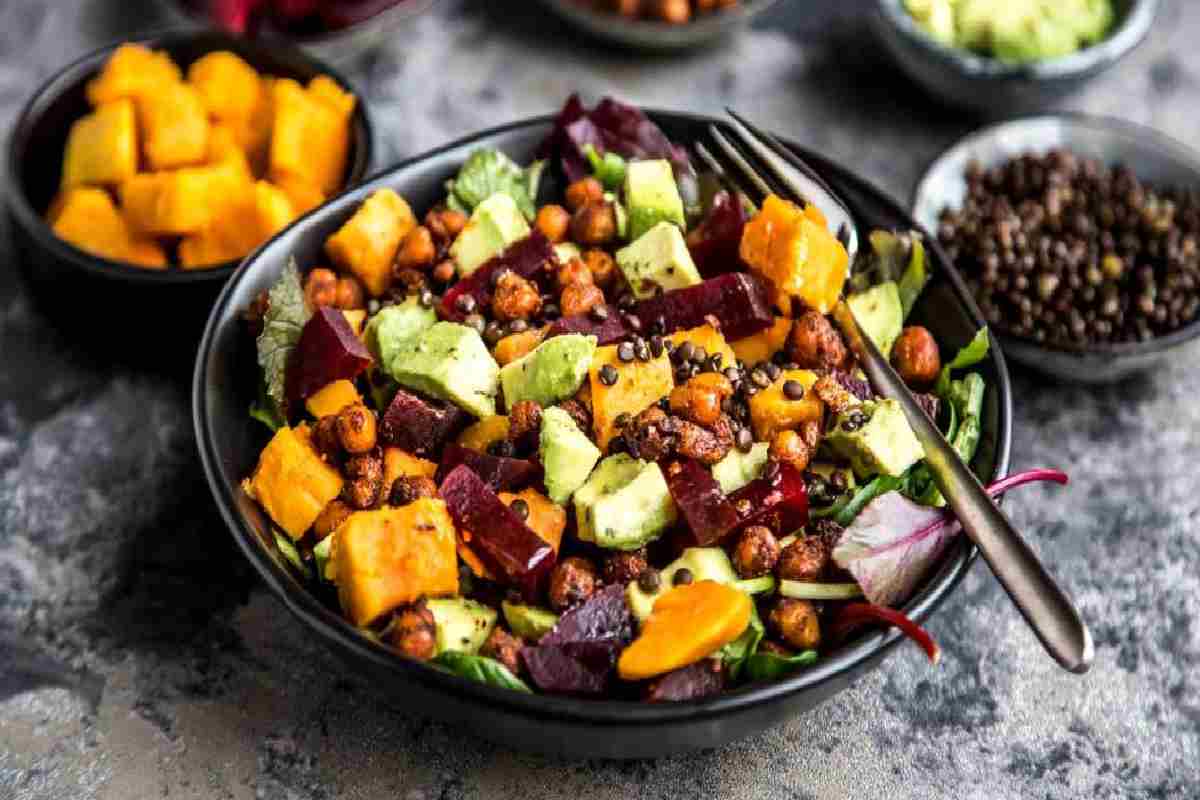
Here’s the truth: a Seven-day diet to lower triglycerides doesn’t have to feel like punishment. I’m not about to tell you to survive on celery sticks and sadness. Instead, I’m going to walk you through exactly what I’ve learned about bringing those numbers down with food that actually tastes good.
Before we dive into the meal plan, let’s get on the same page. Triglycerides are basically fat molecules floating around in your blood. Your body makes them from extra calories you don’t use right away—especially from sugar, refined carbs, and alcohol.
When these levels creep too high (we’re talking 150 mg/dL or above), you’re looking at increased risk for heart disease, stroke, and pancreatitis. Not fun stuff.
The good news? Food choices have a massive impact on these numbers. Like, way more than most people realize.
You might be wondering if one week can really change anything. Here’s what happens: when you cut out the foods that spike triglycerides and replace them with the right stuff, your body responds pretty quickly.
I’m not saying you’ll hit perfect numbers in a week, but you’ll feel better, reduce inflammation, and start the momentum toward healthier levels. Think of this as your reset button.
Let me save you some trouble. These are the usual suspects I had to break up with (at least temporarily):
Alright, let’s get into the actual plan. This isn’t about perfection—it’s about progress.
Breakfast: Oatmeal with ground flaxseed, walnuts, and fresh berries. The fiber in oats helps sweep out excess fats, and those omega-3s in walnuts and flaxseed are your new best friends.
Lunch: Grilled salmon salad with mixed greens, olive oil, and lemon dressing. Salmon is loaded with omega-3 fatty acids that literally help lower triglyceride levels.
Dinner: Baked chicken breast with roasted Brussels sprouts and quinoa. Keep it simple, keep it lean.
Snack: Apple slices with almond butter (no added sugar).
Breakfast: Greek yogurt (unsweetened) with chia seeds and a handful of blueberries. Chia seeds are tiny omega-3 powerhouses.
Lunch: Tuna salad wrapped in lettuce leaves with avocado and tomatoes. Ditch the mayo—use mashed avocado instead.
Dinner: Grilled mackerel with steamed broccoli and brown rice. Mackerel is another fatty fish that fights high triglycerides.
Snack: Carrot sticks with hummus.
Breakfast: Scrambled eggs with spinach and mushrooms, plus a slice of whole grain toast.
Lunch: Lentil soup with a side of mixed greens. Legumes are incredible for heart health and keeping blood fats in check.
Dinner: Turkey meatballs with zucchini noodles and marinara sauce (watch for added sugars in the sauce).
Snack: A small handful of unsalted almonds.
Breakfast: Smoothie with unsweetened almond milk, spinach, half a banana, and hemp seeds.
Lunch: Chickpea and vegetable stir-fry with a drizzle of olive oil over cauliflower rice.
Dinner: Grilled sardines with roasted sweet potato and green beans. I know sardines aren’t everyone’s jam, but they’re triglyceride-fighting champions.
Snack: Celery with natural peanut butter.
Breakfast: Avocado toast on whole grain bread with a poached egg and everything bagel seasoning.
Lunch: Black bean and vegetable bowl with brown rice, salsa, and a squeeze of lime.
Dinner: Baked cod with asparagus and wild rice. Cod is a lean fish that won’t spike your fat levels.
Snack: A small orange or clementine.
Breakfast: Whole grain cereal (low sugar) with unsweetened almond milk and sliced strawberries.
Lunch: Grilled chicken Caesar salad (light on the dressing, or make your own with Greek yogurt).
Dinner: Shrimp and vegetable kebabs with a side of quinoa tabbouleh.
Snack: Cucumber slices with a sprinkle of sea salt and pepper.
Breakfast: Veggie omelet with tomatoes, peppers, and onions, plus a side of fresh berries.
Lunch: Rainbow trout with mixed vegetables and barley. Trout is another excellent omega-3 source.
Dinner: Turkey chili loaded with beans, tomatoes, and peppers over cauliflower rice.
Snack: A handful of walnuts.
If you take nothing else from this Seven-day diet to lower triglycerides, remember these key moves:
1. Cut the sugar: I’m talking about added sugars, not the natural stuff in whole fruits. Read those labels.
2. Go heavy on omega-3s: Fatty fish like salmon, mackerel, sardines, and trout should become regular players on your plate. If you don’t eat fish, consider walnuts, flaxseeds, and chia seeds.
3. Fiber is your friend: Aim for at least 25-30 grams daily. Beans, lentils, vegetables, whole grains, and fruits with skin all count.
4. Choose healthy fats: Olive oil, avocados, nuts, and seeds instead of butter, margarine, and vegetable oils.
5. Ditch refined carbs: Swap white bread, pasta, and rice for whole grain versions or alternatives like quinoa and cauliflower rice.
6. Zero alcohol: Just for this week. Alcohol is one of the biggest triglyceride triggers out there.
7. Stay hydrated: Water, unsweetened tea, black coffee. That’s it.
When I first tried lowering my triglycerides, I made some rookie mistakes. I thought “fat-free” meant healthy, so I loaded up on fat-free cookies and crackers. Spoiler alert: those are usually packed with sugar and refined carbs, which spike triglycerides even more than dietary fat does.
I also didn’t realize how much hidden sugar was in my “healthy” granola bars and yogurt cups. Reading nutrition labels became my new hobby real quick.
This week is your starting point, not your finish line. Once you’ve completed these seven days, you’ll probably notice you have more energy, less brain fog, and hopefully some better lab numbers when you retest.
The goal is to build habits that stick. You don’t have to eat perfectly forever, but keeping refined carbs low, eating fatty fish twice a week, and loading up on vegetables and whole grains will keep those triglycerides trending in the right direction.
Some people see their levels drop by 20-50% just from dietary changes alone. That’s huge. Others might need medication too, and that’s totally okay—this eating plan still helps.
Meal prep is everything: I spent Sunday afternoon cooking a big batch of quinoa, grilling chicken breasts, and chopping vegetables. Game changer.
Keep it simple: You don’t need fancy recipes. Grilled protein + roasted vegetables + whole grain = winning formula.
Find your go-to snacks: I always had almonds, apples, and hummus with veggies ready to grab. When hunger hits, you’ll eat whatever’s easiest.
Eat enough: Don’t starve yourself. This isn’t about restriction—it’s about better choices. Include lean proteins, healthy fats, and fiber at every meal to stay satisfied.
Track how you feel: Notice your energy levels, mood, and sleep quality. The changes go beyond just numbers on a lab report.
After consistently following a triglyceride-lowering diet for about 6-8 weeks, it’s worth getting your levels rechecked. Your doctor can see how much impact the diet changes have made and whether you need additional interventions.
Don’t get discouraged if the numbers don’t drop as dramatically as you hoped right away. Everyone’s body responds differently, and factors like genetics, medications, and other health conditions all play a role.
This Seven-day diet to lower triglycerides isn’t some miracle cure, but it’s a solid foundation for real change. You’re choosing foods that actively fight inflammation, support heart health, and help your body process fats more efficiently.
The best part? Most people feel noticeably better eating this way—more energy, better digestion, clearer thinking. Those benefits show up way before your next blood test.
Start with these seven days. See how you feel. Adjust what doesn’t work for you. And remember, you’re not just lowering a number on a lab report—you’re investing in years of better health ahead.
Now go stock that kitchen with some salmon, load up on vegetables, and show those triglycerides who’s boss.
Also Read : https://www.healthglowera.com/tabata-ultimate-fitness-and-heres-everything-you-need-to-know/

I’m Mohammed Shareef — editor and Admin of healthglowera. I simplify topics like beauty, skincare, haircare, wellness,tech,gadjets and online safety into clear, practical advice that readers can actually use. I focus on creating helpful, trustworthy content backed by research and real-world insights. You can reach me at contact@healthglowera.com



Sign up to receive exclusive content updates, fashion & beauty tips!

Copyright © 2026 All Rights Reserved By Health Glowera