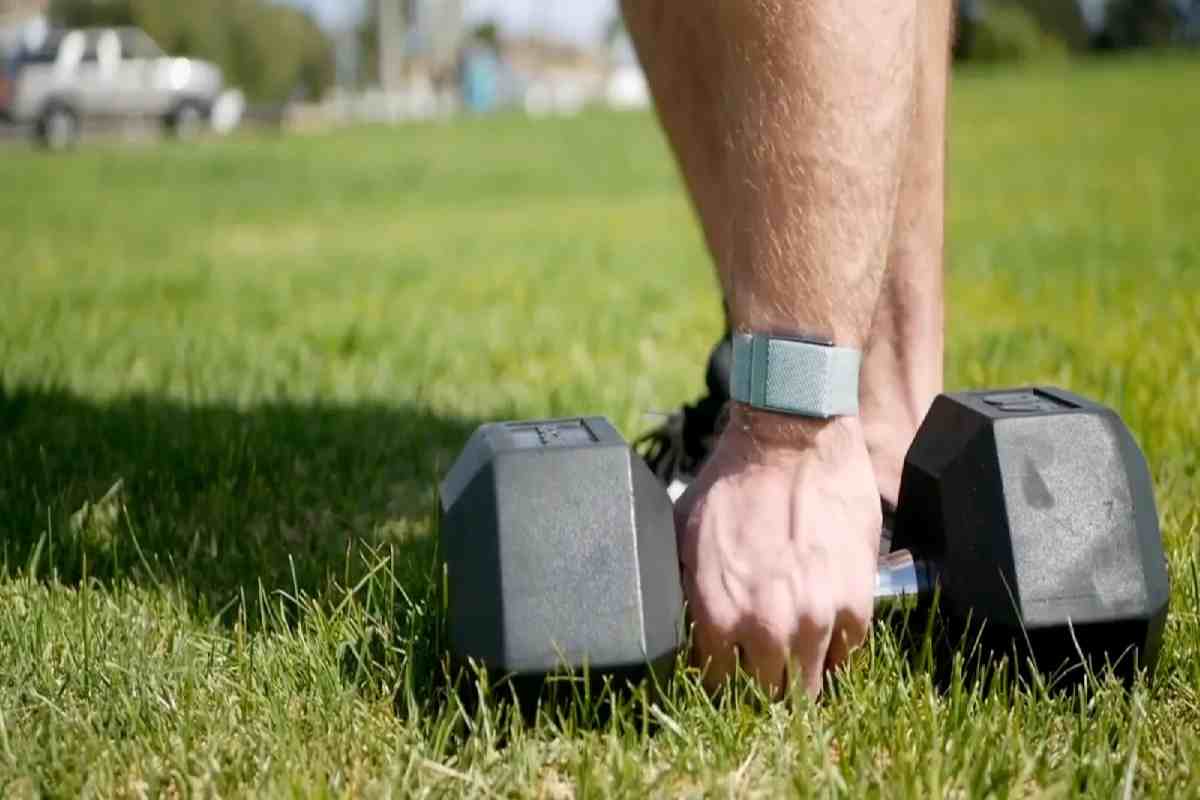
Look, I’ll be straight with you about the whoop fitness band – it’s not your typical fitness tracker, and that’s exactly why I’m still wearing mine.
When I first heard about Whoop, I thought it was just another overpriced wearable trying to tell me I needed to walk more. Boy, was I wrong. This thing completely changed how I think about recovery, sleep, and training. But it’s not for everyone, and I’m going to tell you exactly who should (and shouldn’t) consider dropping money on one.
Here’s the thing most people miss: the whoop fitness band doesn’t count steps.
Yep, you read that right. No step counter. No calorie tracker on your wrist tempting you to “close your rings.” Instead, Whoop focuses on three core metrics that actually matter if you’re serious about performance:
Think of it less like a Fitbit and more like having a sports scientist analyzing your biometric data 24/7.
This is where the whoop fitness band really shines. Every morning, I wake up to a recovery score between 0-100%. This score tells me if I’m ready to crush a hard workout or if I should dial it back.
The recovery percentage is based on:
I used to push through workouts no matter how I felt. Now? If I wake up with a 20% recovery, I know my body needs active recovery instead of hitting personal records. It’s like having a coach who knows your body better than you do.
The strain score measures cardiovascular load throughout your entire day, not just during workouts. This was eye-opening for me.
I discovered that my supposedly “rest days” weren’t actually restful. Running errands, playing with my dog, doing yard work – it all adds up. The whoop fitness band showed me I was accumulating a strain score of 12-14 even on days I didn’t formally exercise.
Your strain is measured on a scale of 0-21:
The cool part? Whoop tells you your optimal strain target based on your recovery. High recovery day? Go for 15+. Low recovery? Maybe keep it under 10.
I’ve tried every sleep tracker out there, and the whoop fitness band blows them away. It doesn’t just tell you that you slept 7 hours. It breaks down:
What really got me was discovering I thought I was getting 8 hours of sleep, but my actual sleep was closer to 6.5 hours because I was tossing and turning. The data doesn’t lie.
Whoop also gives you a sleep need based on your strain and recent sleep debt. Push hard in a workout? It’ll tell you that you need an extra 30 minutes of sleep to fully recover.
Here’s where things get controversial. You can’t just buy the whoop fitness band outright. It’s subscription-based, starting around $239 for 12 months (prices change, so check their site).
The band itself is “free” with your membership. When you renew, you can upgrade to the latest hardware at no extra cost.
Is it worth it? Depends on what you value:
It makes sense if:
Skip it if:
This tracker has a cult following among athletes. I’m talking NFL players, CrossFit competitors, marathon runners, and professional cyclists. But I’ve also seen regular folks use it to manage stress and improve sleep.
The fitness band appeals to people who geek out over data and actually want to understand their body’s patterns. If you’re the type who tracks macros, analyzes workout splits, or journals about performance, you’ll love this thing.
The battery lasts about 4-5 days, which is solid. But here’s the genius part: you never have to take it off. Whoop includes a battery pack that slides over the band and charges it while you’re wearing it.
I charge mine during my morning routine – shower, coffee, emails – and it’s good to go. No gaps in data collection.
As for comfort? I forget I’m wearing it. The band is lightweight, waterproof, and comes with different sizes and styles. I wear mine on my bicep using their bicep band because I don’t like things on my wrist during workouts.
The Whoop app is where everything comes together. It’s clean, intuitive, and actually teaches you about your metrics instead of just throwing numbers at you.
You can log activities, track habits (caffeine, alcohol, supplements), and see how different behaviors impact your recovery. I discovered that having more than two drinks absolutely tanks my HRV and sleep quality. Seeing the data was more convincing than any health article.
The app also includes:
Before getting the whoop fitness band, I operated on the “more is better” mentality. Felt good? Do another workout. Felt tired? Push through anyway.
Now I actually listen to my body – or rather, I listen to the data my body is producing. On high recovery days, I go hard. On low recovery days, I do yoga, go for a walk, or take a complete rest day.
If you want to combine recovery tracking with time-efficient, high-intensity workouts, explore our guide to Tabata Ultimate Fitness and everything you need to know to learn how to structure your training routine.
The result? I’m actually getting stronger and faster while training less overall. My overuse injuries have disappeared. My sleep has improved dramatically.
To build a stronger foundation for your workouts, read our guide on why compound lifts should form the core of your training program and learn how multi-joint exercises can support a balanced strength routine.
Let’s keep it honest. The whoop fitness band isn’t perfect:
No GPS – You’ll need your phone if you want route tracking for runs or rides
No screen – Some people hate not being able to glance at their wrist for the time or quick stats
Learning curve – It takes a few weeks to understand what your baseline metrics mean
Requires commitment – If you’re not going to wear it 24/7, the data becomes less valuable
Pricey for casual users – If you’re not training regularly, there are cheaper options
After months of wearing this thing, I can’t imagine training without it. The whoop fitness band fundamentally changed my approach to fitness by showing me that recovery is just as important as the workout itself.
It’s not about obsessing over every data point. It’s about having objective information that helps you make smarter decisions. Should I really do that high-intensity class today, or will it dig me deeper into a recovery hole? Is my sleep actually restful, or am I just lying in bed for 8 hours?
For athletes, competitors, and fitness enthusiasts who want to optimize performance and avoid burnout, Whoop delivers incredible value. For casual exercisers who just want to track steps and get smartphone notifications, stick with a traditional smartwatch.
The data doesn’t lie, and neither does how I feel. I’m training smarter, sleeping better, and performing at a higher level than ever before – and the whoop fitness band played a huge role in getting me there.

I’m Mohammed Shareef — editor and Admin of healthglowera. I simplify topics like beauty, skincare, haircare, wellness,tech,gadjets and online safety into clear, practical advice that readers can actually use. I focus on creating helpful, trustworthy content backed by research and real-world insights. You can reach me at contact@healthglowera.com



Sign up to receive exclusive content updates, fashion & beauty tips!

Copyright © 2026 All Rights Reserved By Health Glowera