
This guide on 25 foods to lower triglycerides naturally focuses on science-backed, everyday foods that help reduce triglyceride production in the liver, improve fat metabolism, and stabilize blood sugar levels. Instead of extreme dieting or eliminating all fats, the approach emphasizes healthy fats, fiber-rich foods, lean proteins, and gut-supporting nutrients that work together to lower triglycerides safely and sustainably.Whether your triglyceride levels are borderline high or significantly elevated, the foods listed below can help you take control naturally—supporting not just better lipid numbers, but long-term heart and metabolic health.
Triglycerides are a type of fat (lipid) found in your blood. After you eat, your body converts unused calories—especially from sugar, refined carbs, and alcohol—into triglycerides, which are stored in fat cells.
| Triglyceride Level | Meaning |
|---|---|
| Below 150 mg/dL | Normal |
| 150–199 mg/dL | Borderline high |
| 200–499 mg/dL | High |
| 500+ mg/dL | Very high (dangerous) |
Lowering triglycerides means reducing excess circulating fats in your bloodstream by:
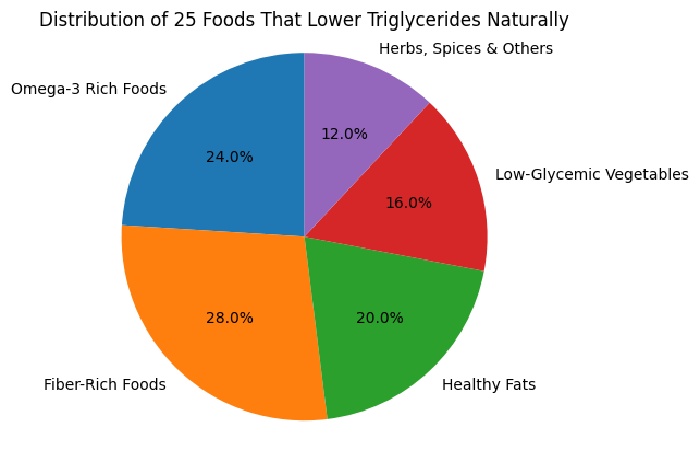
Below are science-supported foods that directly impact triglyceride metabolism.

Fatty fish are rich in omega-3 fatty acids (EPA & DHA), which reduce triglyceride production in the liver.
Reduce liver fat synthesis
Improve blood fat clearance
Lower inflammation
2–3 servings per week
Grilled, baked, or lightly sautéed
Oats contain beta-glucan fiber, which slows fat and sugar absorption.
Why it works
Reduces post-meal triglyceride spikes
Best consumed as steel-cut or rolled oats, not instant sugary versions.
Avocados are rich in monounsaturated fats and potassium.
Replace refined carbs with healthy fats
Improve fat metabolism
Half an avocado per day is enough.
Walnuts provide omega-3s plus antioxidants.
Evidence shows
Lower triglycerides
Improve LDL particle size
Consume a small handful (20–30g) daily.
Chia seeds absorb water and form gel-like fiber.
Benefits
Reduce triglyceride absorption
Improve gut-lipid metabolism
Add to curd, smoothies, or water.
Ground flaxseeds are rich in ALA omega-3 and lignans.
How they help
Lower triglycerides
Reduce insulin resistance
Always consume ground, not whole.
Replacing refined oils with olive oil significantly lowers triglycerides.
Mechanism
Improves lipid oxidation
Reduces inflammatory fat storage
Use raw or low-heat cooking.
Almonds improve lipid ratios without raising triglycerides.
Key advantage
High fiber + healthy fats
Reduces sugar cravings
Soak overnight for better digestion.
Legumes stabilize blood sugar and reduce triglyceride synthesis.
Why effective
Low glycemic load
High soluble fiber
Excellent for Indian diets.
Low calorie, high magnesium, and antioxidants.
Triglyceride impact
Reduce oxidative stress
Improve insulin sensitivity
Eat daily, cooked or raw.
Berries are low-sugar fruits with polyphenols.
They help by
Reducing fat oxidation
Lowering inflammation
Best fruits for triglycerides.
Garlic improves lipid enzyme activity.
Studies show
Reduced triglycerides
Improved blood flow
Raw or lightly cooked works best.
Rich in catechins that promote fat burning.
Benefits
Lowers triglyceride synthesis
Improves metabolism
2–3 cups daily.
Improves insulin sensitivity and fat metabolism.
Usage
1 tbsp in water before meals
Avoid if you have acidity issues.
High protein, low sugar dairy helps regulate fats.
Why it works
Improves gut bacteria
Reduces triglyceride absorption
Avoid flavored versions.
Eggs do not raise triglycerides when eaten correctly.
Best practice
Whole eggs
Avoid pairing with refined carbs
Lower glycemic than white potatoes.
Triglyceride benefit
Slower glucose release
Better insulin control
Low calorie, fiber-rich, and liver-friendly.
Support
Reduce fat storage enzymes
Improve metabolic health
Curcumin reduces liver fat accumulation.
How to use
With black pepper
In curries or warm milk
High in lycopene.
Effect
Reduce triglyceride oxidation
Improve vascular health
Cooked tomatoes are better absorbed.
Hydrating and low glycemic.
Reducing calorie density
Supporting fat metabolism
Polyphenols help improve lipid balance.
Rich in pectin fiber.
Reduce triglyceride absorption
Improve gut-lipid signaling
Gut health strongly affects triglycerides.
Improves insulin sensitivity.
Add to tea or oats.
Avoiding these is as important as eating the right foods.
Understanding causes helps you choose the right foods, not just “healthy-sounding” ones.
This is why low-fat diets often fail—triglycerides rise more from sugar and carbs than from healthy fats.
A 7-day triglyceride-lowering diet focuses on cutting sugar, stabilizing blood glucose, and increasing omega-3s and fiber. Even short-term adherence can reduce triglycerides by 5–15%.
This structure keeps insulin low and prevents excess triglyceride production in the liver.
American Heart Association – Healthy Diet Patterns
Covers heart-healthy eating patterns (fruits, vegetables, whole grains, healthy proteins) that help lower triglyceride and cholesterol levels.
Medical News Today – Triglycerides Diet Guide
Medically reviewed overview explaining how diet influences triglycerides, including low-sugar fruits, vegetables, and whole grains.
Lowering triglycerides is not about extreme dieting or eliminating all fats—it’s about correcting how your body processes sugar, carbohydrates, and fats. High triglyceride levels usually develop from excess calorie intake, refined carbs, and poor insulin control rather than from eating healthy fats.
By consistently including omega-3–rich foods, fiber-dense plant foods, lean proteins, and gut-friendly fermented foods, you can significantly reduce triglyceride levels in a short period of time. For many people, noticeable improvement begins within 7–14 days, especially when sugar, alcohol, and refined grains are removed from the diet.
The fastest way is to eliminate sugar, refined carbohydrates, and alcohol while increasing omega-3 fatty acids and soluble fiber. Many people see improvement within one to two weeks when diet changes are strict and consistent.
Triglycerides can begin to drop in 7 days, especially in people with borderline or moderately high levels. While 7 days may not normalize levels completely, it can lead to measurable improvement, particularly when sugary foods and drinks are removed.
Eggs are not harmful for most people with high triglycerides when eaten in moderation and not paired with refined carbs. Eggs provide protein that helps stabilize blood sugar and reduce fat storage.
Yes. Chronic stress raises cortisol levels, which can increase blood sugar and triglyceride production. Managing stress through sleep, physical activity, and relaxation techniques supports triglyceride reduction.




Sign up to receive exclusive content updates, fashion & beauty tips!

Copyright © 2025 All Rights Reserved By Health Glowera